How Cosmetic Dentistry Improves Confidence & Appearance
. . • May 26, 2026
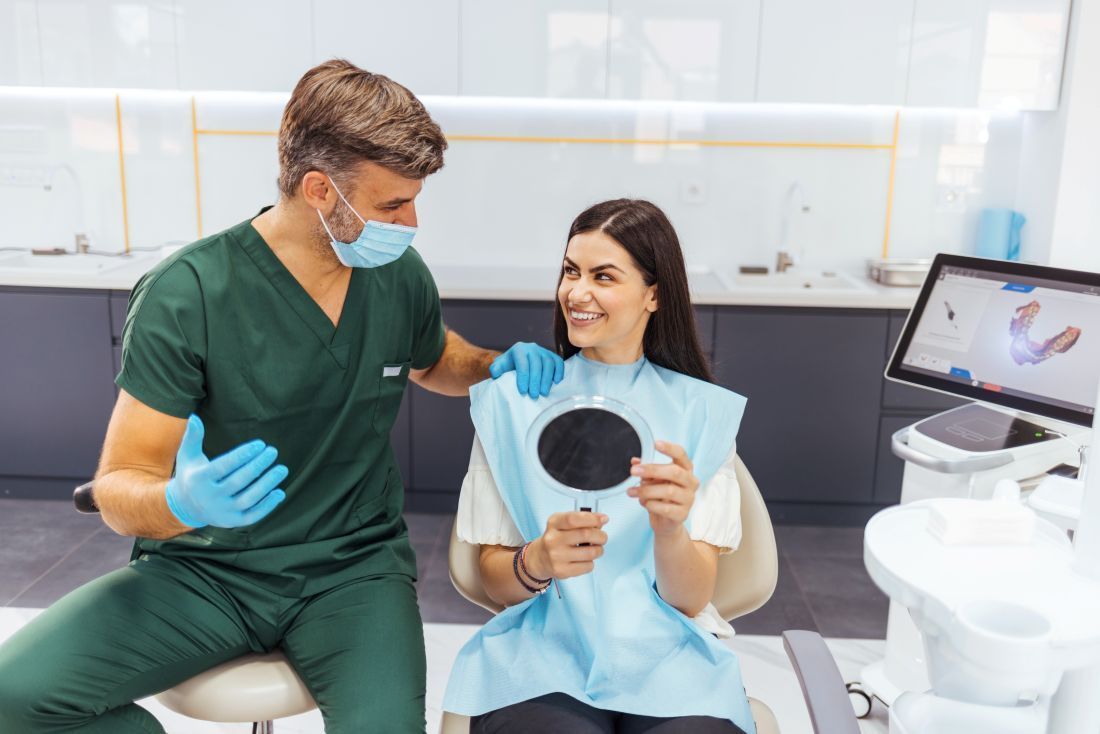
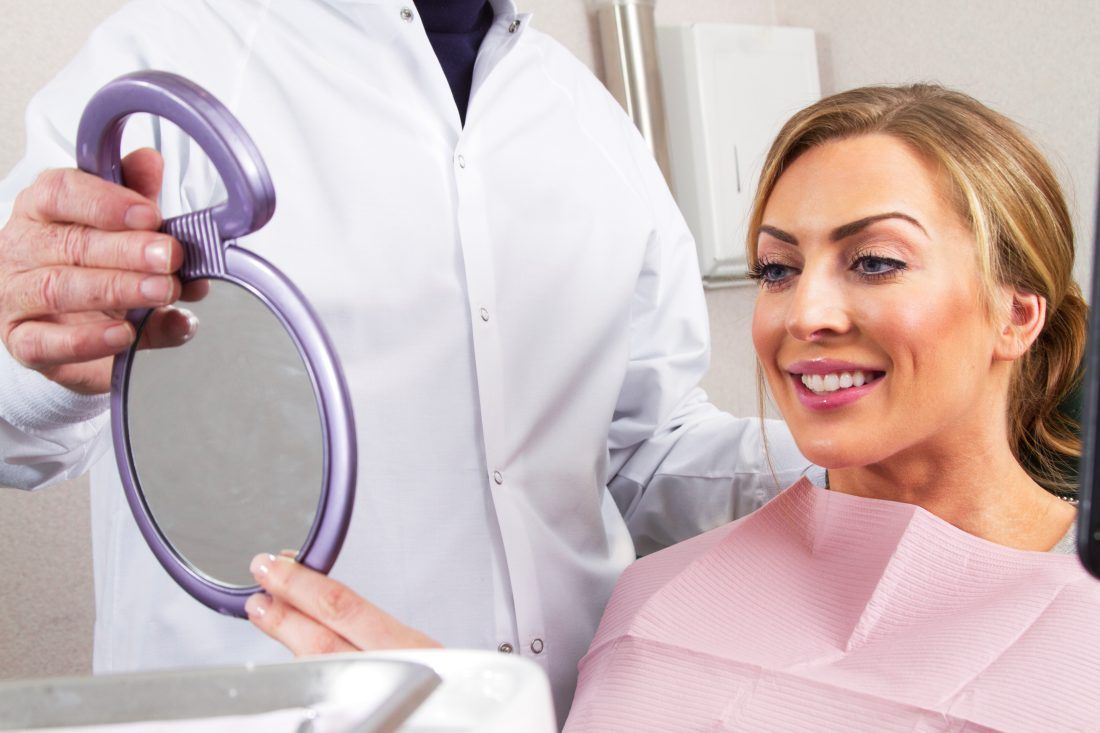
Dental patient reviewing smile results mirror cosmetic dentistry visit

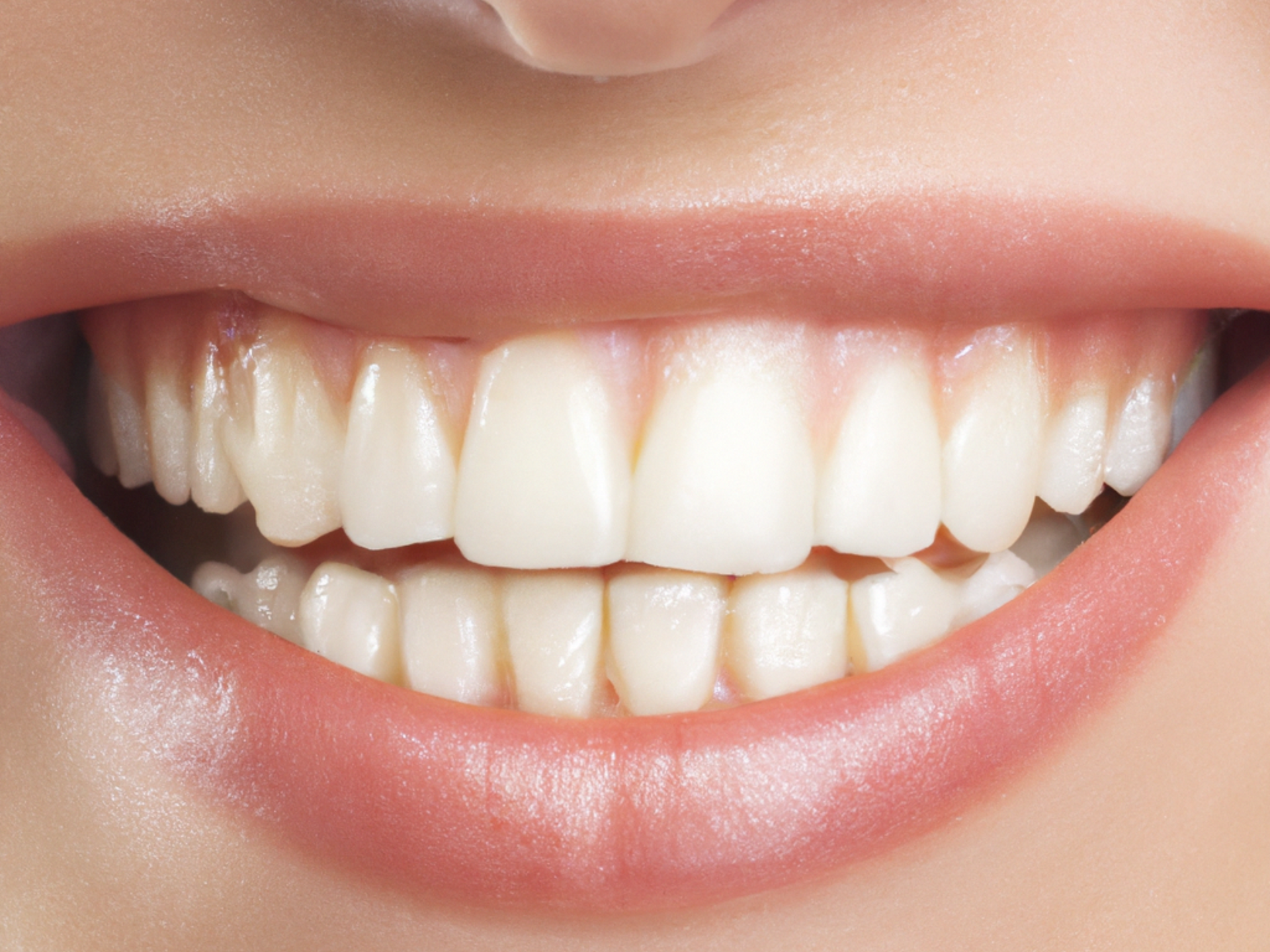
A beautiful smile is often the first thing people notice about you, serving as a silent introduction that conveys warmth and vitality. For many, dental imperfections like staining, gaps, or misalignment can lead to self-consciousness, causing them to hide their laughter or shy away from social interactions. Cosmetic dentistry is a transformative journey that bridges the gap between how you look and how you feel. By utilizing modern aesthetic dentistry techniques, patients can achieve a smile makeover that enhances their natural features and provides a lasting boost to their self-esteem. Goduco Family Dentistry explores how cosmetic dentistry improves confidence and appearance. Reach out to us for a consultation.


What Is Cosmetic Dentistry?

While traditional dentistry focuses on oral hygiene and the prevention, diagnosis, and treatment of oral disease, cosmetic dentistry emphasizes boosting the appearance of teeth, gums, and bite. It primarily focuses on enhancement in color, position, shape, size, alignment, and overall smile appearance. From simple brightening procedures to complex structural changes, these treatments are designed to create a more harmonious and pleasing look while often improving the functional health of your teeth.


The Connection Between Your Smile and Confidence

Psychological studies consistently show that there is a profound link between your smile and your mental well-being. When you're proud of your smile, you're more likely to project smile confidence in professional meetings, social gatherings, and even photographs. Conversely, hiding your teeth can be perceived as being closed off or lacking in confidence. By addressing the flaws that make you hesitant to smile, cosmetic dentistry helps you show up more authentically in your daily life, reducing social anxiety and fostering a positive self-image.


Key Ways Cosmetic Dentistry Improves Appearance

The primary goal of aesthetic dentistry is to create a balanced, symmetrical look that complements your facial structure. One of the most significant cosmetic dentistry benefits is the ability to reverse years of wear and tear. Whether it is correcting the "yellowing" that comes with age or fixing a chipped tooth from an accident, these procedures restore the youthful vitality of your face. Furthermore, modern techniques ensure results that look incredibly natural, using materials that mimic the translucency and strength of real tooth enamel.


How Cosmetic Dentistry Boosts Confidence

The psychological impact of a smile transformation is often more significant than the physical change itself. Patients frequently report a "ripple effect" after their procedures. As they become more comfortable with their appearance, they feel more empowered to pursue new career opportunities, engage in dating, or lead presentations. This confidence comes from the elimination of a long-standing insecurity.


Popular Cosmetic Dentistry Treatments Explained

There are several paths to achieving your ideal smile makeover results, depending on your specific needs. Some of the most popular cosmetic dentistry treatments include:

  • Teeth Whitening A professional-grade treatment that removes deep-seated stains far more effectively than over-the-counter options.
  • Porcelain Veneers Thin, custom-made shells designed to cover the front surface of teeth, instantly correcting shape, color, and minor misalignments.
  • Dental Bonding A versatile procedure where a tooth-colored resin is applied to repair chips or close small gaps.
  • Invisalign® Clear aligners that straighten teeth discreetly, offering an aesthetic alternative to traditional metal braces.
  • Dental Implants A permanent solution for missing teeth that look, feel, and function like natural teeth.


Before & After: What to Expect

Cosmetic dentistry services begin with a comprehensive consultation where we discuss your goals and evaluate your oral health. Using digital imaging and impressions, we can often show you a "preview" of your results before the work even begins. Depending on the complexity of your plan, your transformation may take a single visit or a few appointments over several months. Throughout the process, our team ensures your comfort, providing a welcoming environment where your vision for a perfect smile becomes a reality.


Frequently Asked Questions (FAQs)

Is Cosmetic Dentistry Purely for Looks?

While the primary goal is appearance, many procedures, like crowns or implants, also improve your ability to chew and speak, while protecting your overall oral health.

How Long Do the Results of a Smile Makeover Last?

With proper oral hygiene and regular dental check-ups, many treatments like veneers and implants can last for a decade or much longer.

Does Cosmetic Dentistry Hurt?

Most procedures are minimally invasive. We use local anesthesia and modern techniques to ensure your experience is as comfortable and pain-free as possible.

Can Anyone Get Cosmetic Dental Work?

Most people are candidates, though we must ensure your teeth and gums are healthy before starting any aesthetic enhancements. We will address any underlying issues like decay or gum disease first.

How Much Does a Smile Makeover Cost?

A smile makeover investment varies based on the chosen treatments. We’ll explain your costs in detail before beginning the makeover.


Contact Goduco Family Dentistry

Goduco Family Dentistry offers comprehensive cosmetic dental services to our patients. Investing in your smile is an investment in your future happiness and success. By combining artistry with clinical excellence, we help you achieve a look that is both beautiful and uniquely yours. If you're ready to experience the life-changing benefits of cosmetic dentistry, we are here to guide you every step of the way. Contact us today to schedule your consultation and see how a new smile can change everything.

June 23, 2026
Haven’t Been to the Dentist in Years? You’re Not Alone. Life gets busy. Things get put off. And before you know it, it’s been years. We understand—and we’re here to help, not judge.
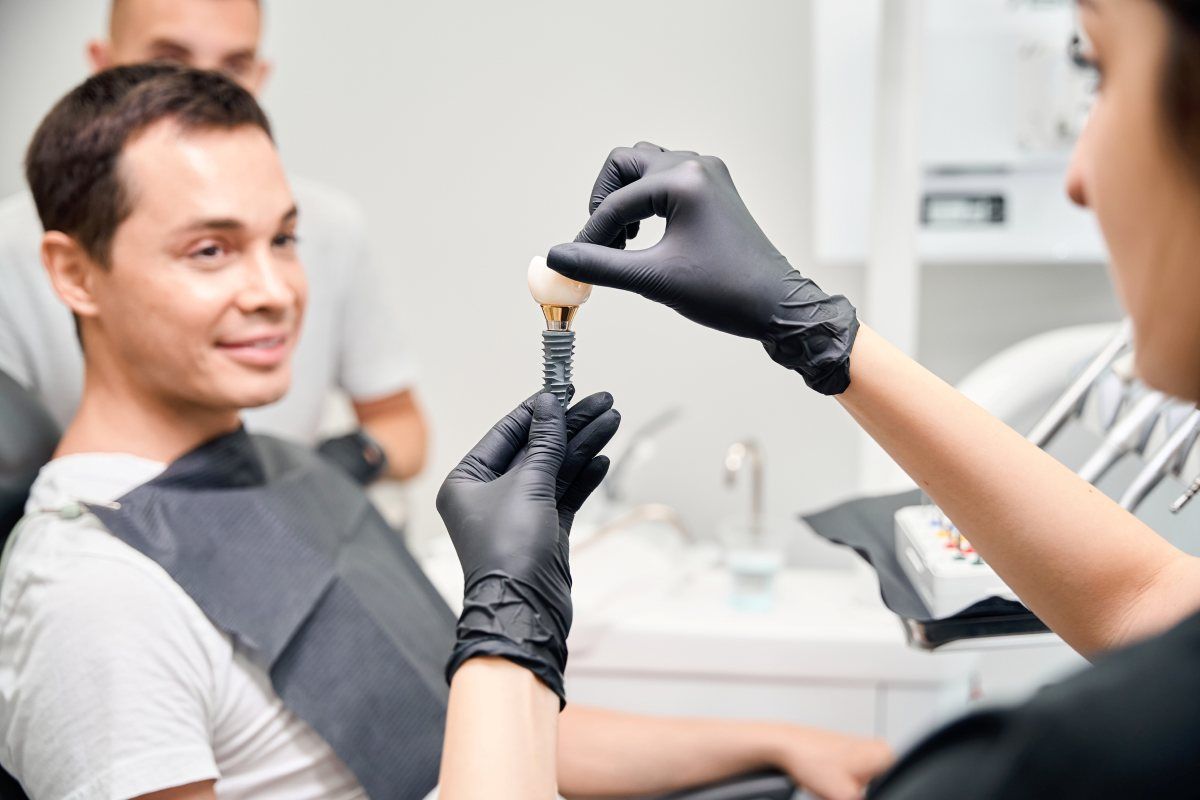
Same day dental implant model demonstration during consultation appointment
By . . June 23, 2026
Stay ahead in 2026 with Goduco Family Dentistry. Learn about the latest cosmetic dentistry trends that can give you the modern smile you've always wanted.
Dentist consultation showing digital smile design with mirror review
By . . June 16, 2026
Stay ahead in 2026 with Goduco Family Dentistry. Learn about the latest cosmetic dentistry trends that can give you the modern smile you've always wanted.
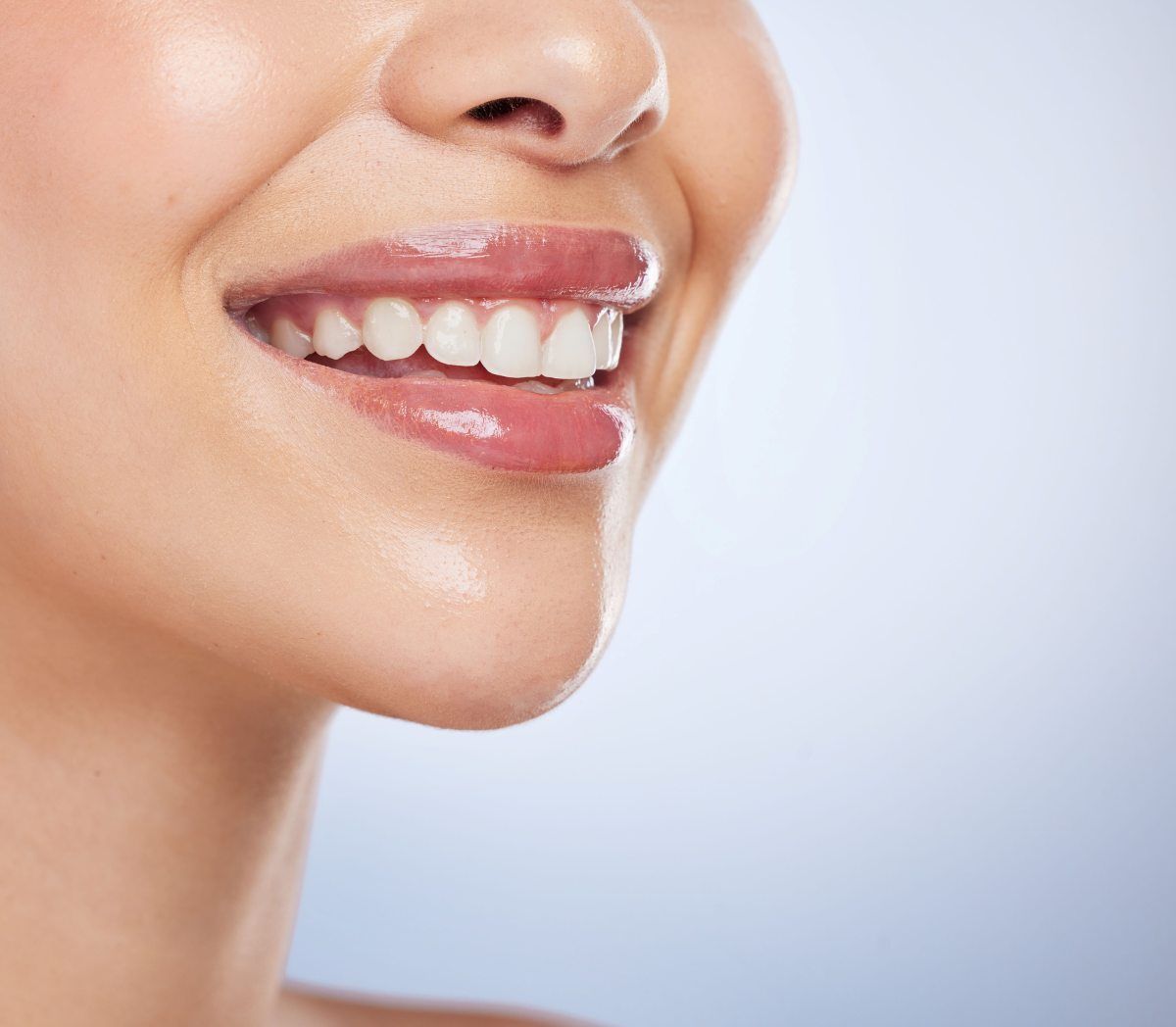
Close-up of smooth aligned teeth showing cosmetic dentistry smile results
By Jini Goduco June 9, 2026
Explore teeth reshaping and contouring benefits, procedure steps, and results for achieving a smooth, balanced smile at Goduco Family Dentistry.
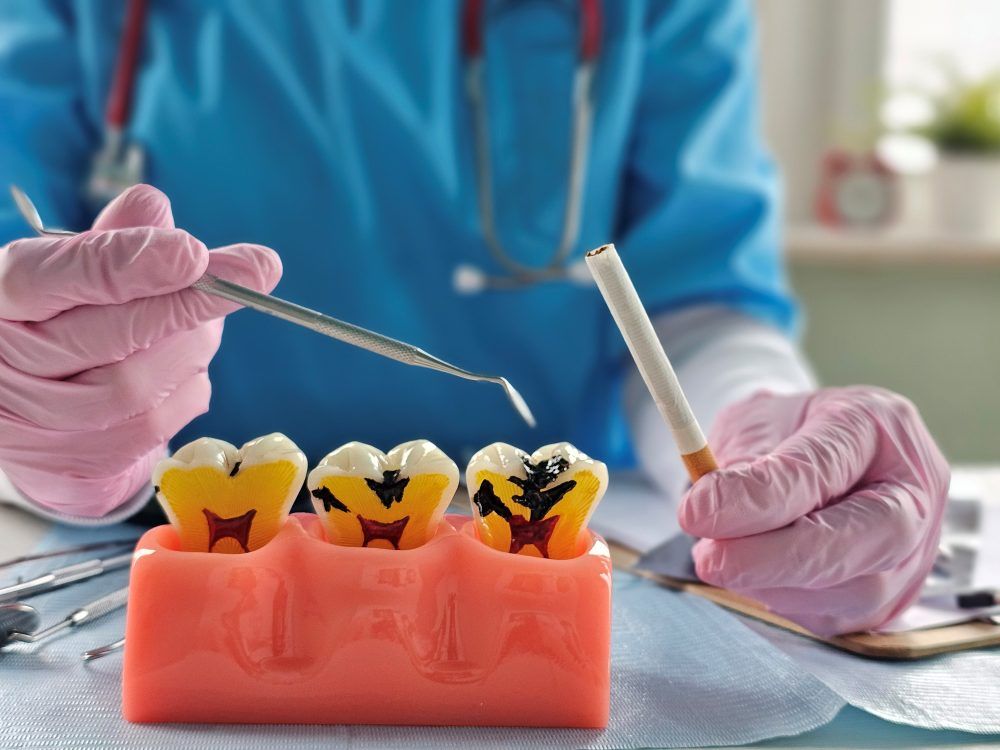
Dental model showing tooth decay effects compared with smoking risk
By . . June 2, 2026
Learn how smoking affects dental implant success, healing risks, and precautions to improve outcomes from experts at Goduco Family Dentistry.
Dental bonding curing light applied during treatment
By . . May 19, 2026
Close gaps in your smile with dental bonding at Goduco Family Dentistry! Learn about the benefits, procedure steps, and impressive results today.
March 2, 2026
Teeth grinding (bruxism) and temporomandibular joint disorder (TMJ/TMD) affect millions of people—often without them realizing it. A custom night guard can be a simple yet powerful solution to protect your teeth and relieve discomfort. What Is Teeth Grinding and TMJ? Bruxism is the involuntary grinding or clenching of teeth, often during sleep. TMJ disorders affect the jaw joint, causing pain, clicking, headaches, and difficulty chewing.  Stress, misaligned teeth, sleep disorders, and jaw structure can all contribute. Signs You May Need a Night Guard Common symptoms include: Worn, chipped, or cracked teeth Jaw pain or stiffness Morning headaches Facial or ear pain Clicking or popping in the jaw Neck and shoulder tension How Night Guards Help A night guard creates a protective barrier between your upper and lower teeth. Benefits include: Preventing tooth wear and fractures Reducing jaw muscle tension Alleviating TMJ-related pain Protecting dental restorations Improving sleep quality Custom vs. Over-the-Counter Night Guards While store-bought guards may seem convenient, they often: Fit poorly Feel bulky Provide limited protection Worsen jaw alignment A custom-made night guard , designed by your dentist, fits precisely and provides targeted support based on your bite and symptoms. Night Guards and TMJ Relief For TMJ sufferers, night guards can help reposition the jaw slightly, reducing strain on the joint. While not a cure, they are an effective part of a comprehensive treatment plan. Protect Your Smile While You Sleep Grinding often happens unconsciously, making prevention difficult without protection. A night guard is a proactive way to preserve your teeth, reduce pain, and avoid costly dental repairs in the future. If you suspect grinding or TMJ issues, a dental evaluation can determine whether a custom night guard is right for you.
February 2, 2026
Invisalign has transformed orthodontic treatment by offering a nearly invisible, removable alternative to traditional braces. While Invisalign provides flexibility, it also comes with specific rules—especially when it comes to eating and drinking. Can You Eat With Invisalign In? The short answer is no . Invisalign aligners must be removed before eating any food. Chewing with aligners in place can:  Crack or warp the aligners Trap food and bacteria Increase the risk of cavities and staining Always remove your aligners before meals or snacks. What About Drinking? Water is the only beverage you can safely drink while wearing Invisalign. Other drinks—such as coffee, tea, soda, juice, or wine—can: Stain aligners Cause sugar or acid buildup Warp aligners if hot If you do drink anything other than water, remove your aligners first. Eating Tips for Invisalign Wearers Because aligners should be worn 20–22 hours per day , planning meals is important: Stick to structured meals instead of frequent snacking Rinse your mouth or brush before reinserting aligners Keep a travel toothbrush handy Store aligners in their case to avoid damage or loss What Foods Should You Be Careful With? While Invisalign doesn’t restrict food types the way braces do, sugary and acidic foods can still increase your risk of cavities if oral hygiene slips. Limit: Sticky candies Sugary drinks Acidic foods like citrus and soda Why Oral Hygiene Matters More With Invisalign Aligners create a sealed environment around your teeth. If food particles or plaque are trapped inside, bacteria multiply quickly. Brushing and flossing after meals is essential to avoid decay or bad breath. The Payoff Is Worth It While Invisalign requires discipline, the benefits are significant: fewer food restrictions, easier cleaning, and a discreet treatment option. With good habits, Invisalign can straighten your smile comfortably and effectively.
January 5, 2026
Explore methods to treat tooth decay at the gum line with expert advice from Goduco Family Dentistry. Learn prevention tips for healthier gums.
December 29, 2025
Bad breath, also known as halitosis, is incredibly common—and often embarrassing. While an occasional case of bad breath after eating garlic or drinking coffee is normal, persistent bad breath can signal underlying oral health issues. The good news? In most cases, bad breath is treatable and preventable with the right habits and professional care. Common Causes of Bad Breath The most frequent cause of bad breath is bacteria. Our mouths are home to millions of bacteria that break down food particles, releasing foul-smelling sulfur compounds. When oral hygiene is lacking, these bacteria flourish. Other common contributors include: Poor brushing and flossing habits Dry mouth (xerostomia) , often caused by medications or mouth breathing Gum disease , which allows bacteria to hide below the gumline Tongue buildup , especially on the back of the tongue Tooth decay or dental infections Diet , including strong-smelling foods and sugary snacks Smoking or tobacco use Medical conditions , such as acid reflux, sinus infections, or diabetes Daily Habits That Help Eliminate Bad Breath The foundation of fresh breath starts with excellent oral hygiene: Brush twice daily for at least two minutes, paying close attention to the gumline. Floss every day to remove food particles and plaque between teeth. Clean your tongue using a tongue scraper or your toothbrush—this step alone can significantly reduce odor. Stay hydrated. Drinking water throughout the day helps wash away bacteria and prevents dry mouth. Use an alcohol-free mouthwash. Alcohol can dry out the mouth, worsening bad breath over time. Diet and Lifestyle Tips What you eat matters. Crunchy fruits and vegetables like apples and carrots help stimulate saliva and naturally clean teeth. Limiting sugary foods reduces the fuel bacteria need to thrive. If you smoke or use tobacco, quitting can dramatically improve breath and overall oral health. Smoking dries out the mouth and contributes to gum disease, one of the leading causes of chronic bad breath. When Bad Breath Signals a Bigger Problem Persistent bad breath that doesn’t improve with good oral hygiene may be a sign of: Gum disease Cavities Dental abscesses Poorly fitting dental restorations A professional dental exam can identify and treat these issues before they worsen. Professional Solutions Regular dental cleanings remove hardened plaque (tartar) that brushing can’t eliminate. Your dentist may also recommend treatments for gum disease, fluoride therapies, or guidance for managing dry mouth.  Fresh Breath Starts With Healthy Teeth Bad breath isn’t just a social issue—it’s often a health issue. By maintaining strong daily habits and keeping up with routine dental visits, you can enjoy long-lasting fresh breath and confidence in your smile.