Lightbulb inside speech bubbles, teal circle, representing brainstorming ideas.

Inspiring healthier lives through brighter smiles.

Serving patients in Vernon Hills, Libertyville, Lincolnshire and Mundelein, IL since 1992

Schedule appointment

Dr. Goduco & his staff are amazing! they do excellent work, are very personable & have me laughing the entire time!


EXCEPTIONAL DENTISTRY

Comprehensive dental care and expert treatments—all in one Vernon Hills location. We offer advanced dental care tailored to every smile.

Learn more

OUR SERVICES

How we help

Badge with a percentage sign, representing a sale or discount.

SPECIAL OFFER 1

New Patient Exam and Consultation FOR ONLY $100


Get offer
Badge with a percentage sign, indicating a discount or special offer.

SPECIAL OFFER 2

COMPLIMENTARY HOME WHITENING FOR NEW PATIENTS WITH A CLEANING, INITIAL EXAM & X-RAYS


Get offer
Badge with a percentage symbol, indicating a discount or promotion.

SPECIAL OFFER 3

IN OFFICE LASER WHITENING FOR ONLY $399  (normally $550) 


Get offer
White teeth icon with a medical cross, turquoise circle background.

About Goduco Smiles

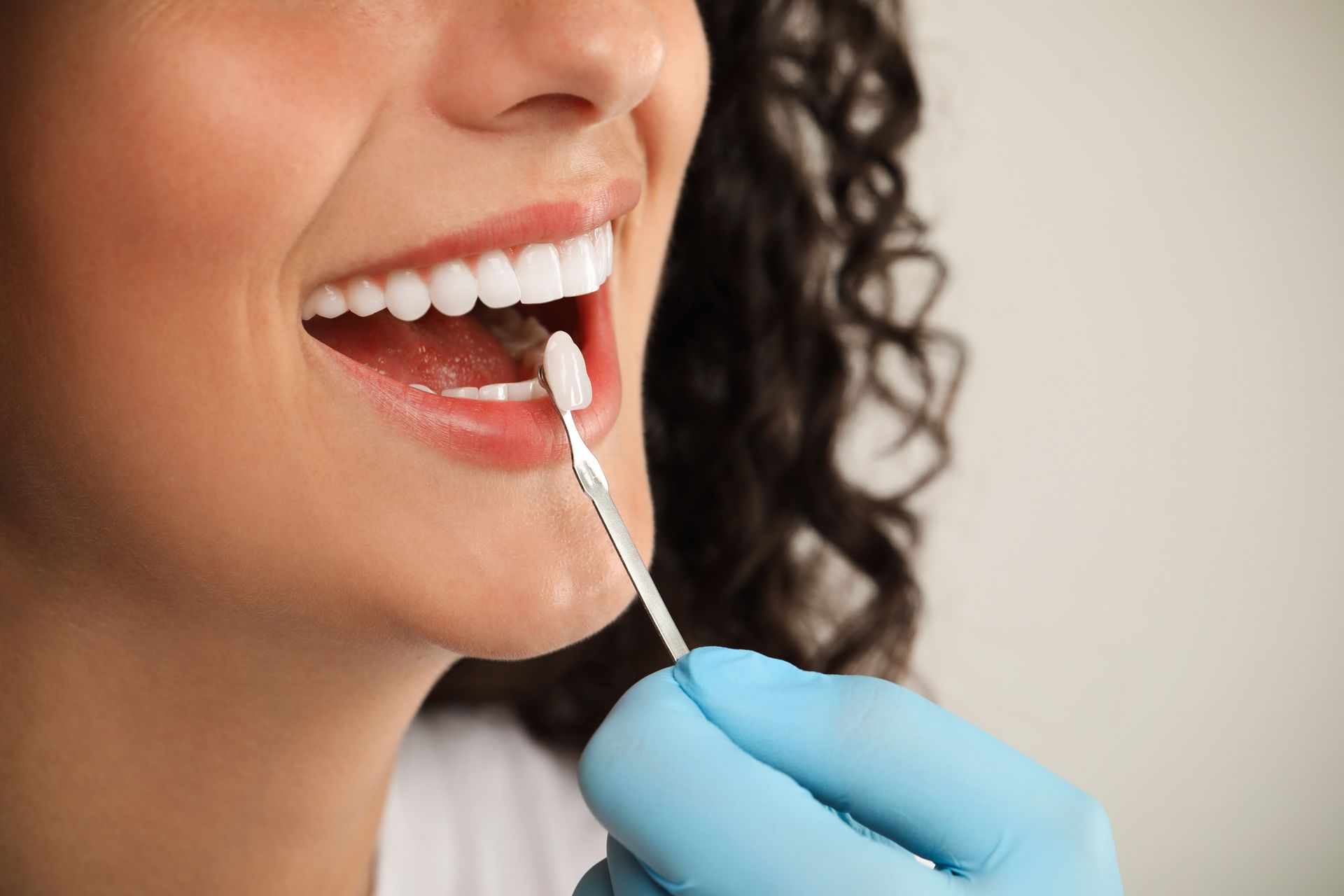
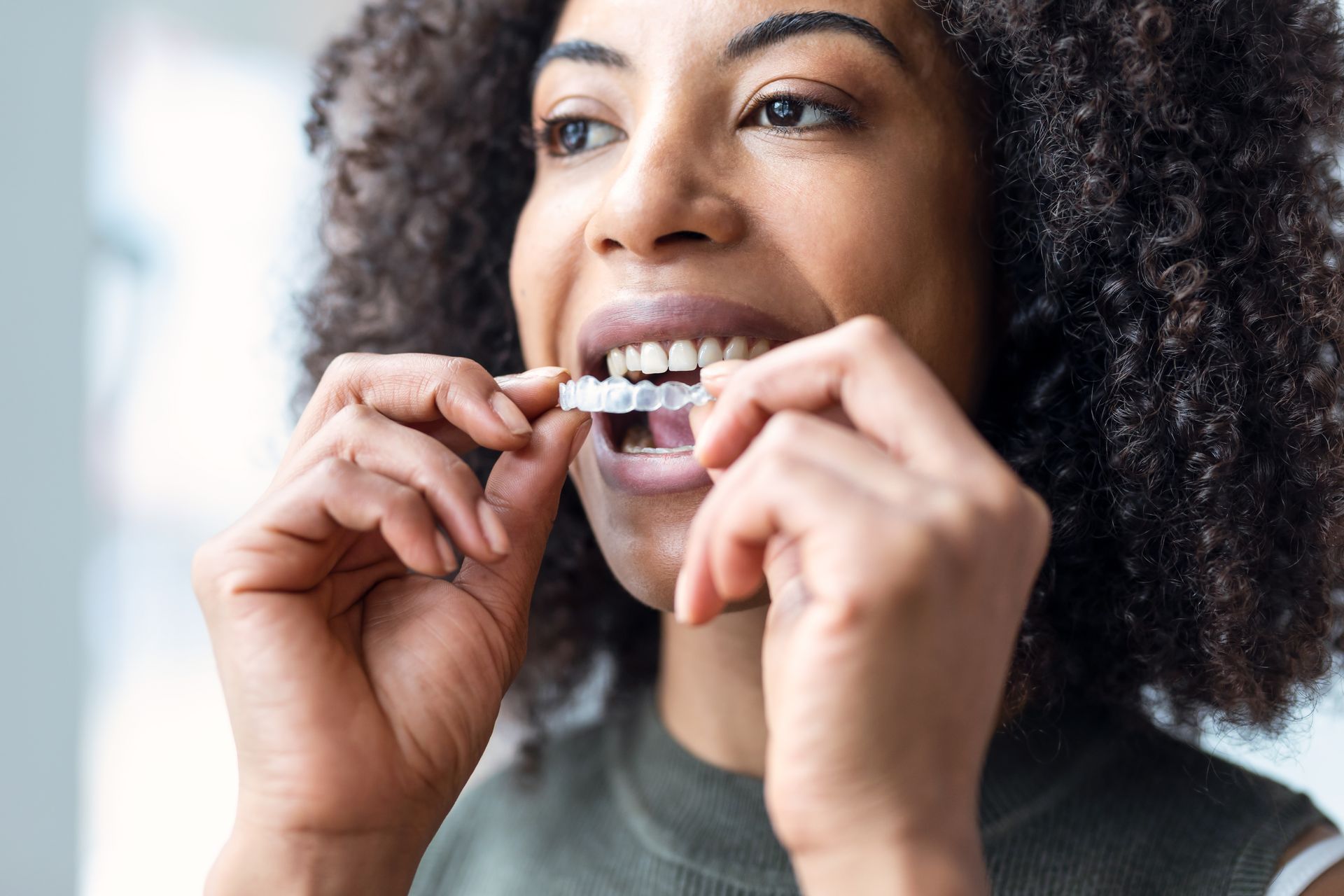
We have a dedicated focus on preventive dentistry, but we also specialize in premier cosmetic and restorative dentistry services, including dental implants, porcelain veneers, Invisalign®, and teeth whitening. Our comprehensive services also include advanced treatment for patients who have suffered from extensive tooth or gum damage.

Learn more

Meet Dr. Goduco

Dr. Philip V. Goduco is uniquely qualified to treat patients for everything from a simple dental cleaning to the most complex dental procedures. He served as a dentist in the military, giving him hands-on experience with every aspect of dental care. Dr. Goduco is also dedicated to providing highest-quality care to each patient, sharing his passion for oral health with those he treats. 

REFERRAL PROGRAM

Refer a friend

Learn more

We can improve oral health and enhance smiles for patients of all ages. Share your smile and share your dentist with your friends and family, through our refer a friend program. Our team can explain more about the benefits.
Light bulb above two speech bubbles, on a teal circle, representing ideas and discussion.

Ready to schedule a free consultation?

Get in touch today

Recents news

March 2, 2026
Teeth grinding (bruxism) and temporomandibular joint disorder (TMJ/TMD) affect millions of people—often without them realizing it. A custom night guard can be a simple yet powerful solution to protect your teeth and relieve discomfort. What Is Teeth Grinding and TMJ? Bruxism is the involuntary grinding or clenching of teeth, often during sleep. TMJ disorders affect the jaw joint, causing pain, clicking, headaches, and difficulty chewing.  Stress, misaligned teeth, sleep disorders, and jaw structure can all contribute. Signs You May Need a Night Guard Common symptoms include: Worn, chipped, or cracked teeth Jaw pain or stiffness Morning headaches Facial or ear pain Clicking or popping in the jaw Neck and shoulder tension How Night Guards Help A night guard creates a protective barrier between your upper and lower teeth. Benefits include: Preventing tooth wear and fractures Reducing jaw muscle tension Alleviating TMJ-related pain Protecting dental restorations Improving sleep quality Custom vs. Over-the-Counter Night Guards While store-bought guards may seem convenient, they often: Fit poorly Feel bulky Provide limited protection Worsen jaw alignment A custom-made night guard , designed by your dentist, fits precisely and provides targeted support based on your bite and symptoms. Night Guards and TMJ Relief For TMJ sufferers, night guards can help reposition the jaw slightly, reducing strain on the joint. While not a cure, they are an effective part of a comprehensive treatment plan. Protect Your Smile While You Sleep Grinding often happens unconsciously, making prevention difficult without protection. A night guard is a proactive way to preserve your teeth, reduce pain, and avoid costly dental repairs in the future. If you suspect grinding or TMJ issues, a dental evaluation can determine whether a custom night guard is right for you.
February 2, 2026
Invisalign has transformed orthodontic treatment by offering a nearly invisible, removable alternative to traditional braces. While Invisalign provides flexibility, it also comes with specific rules—especially when it comes to eating and drinking. Can You Eat With Invisalign In? The short answer is no . Invisalign aligners must be removed before eating any food. Chewing with aligners in place can:  Crack or warp the aligners Trap food and bacteria Increase the risk of cavities and staining Always remove your aligners before meals or snacks. What About Drinking? Water is the only beverage you can safely drink while wearing Invisalign. Other drinks—such as coffee, tea, soda, juice, or wine—can: Stain aligners Cause sugar or acid buildup Warp aligners if hot If you do drink anything other than water, remove your aligners first. Eating Tips for Invisalign Wearers Because aligners should be worn 20–22 hours per day , planning meals is important: Stick to structured meals instead of frequent snacking Rinse your mouth or brush before reinserting aligners Keep a travel toothbrush handy Store aligners in their case to avoid damage or loss What Foods Should You Be Careful With? While Invisalign doesn’t restrict food types the way braces do, sugary and acidic foods can still increase your risk of cavities if oral hygiene slips. Limit: Sticky candies Sugary drinks Acidic foods like citrus and soda Why Oral Hygiene Matters More With Invisalign Aligners create a sealed environment around your teeth. If food particles or plaque are trapped inside, bacteria multiply quickly. Brushing and flossing after meals is essential to avoid decay or bad breath. The Payoff Is Worth It While Invisalign requires discipline, the benefits are significant: fewer food restrictions, easier cleaning, and a discreet treatment option. With good habits, Invisalign can straighten your smile comfortably and effectively.
January 5, 2026
Tooth decay at the gum line is a common but often overlooked dental issue. Because it forms where the tooth meets the gums, it can be harder to spot and more challenging to treat if ignored. Understanding why it happens and how it’s treated can help protect your smile long-term.  What Is Gum Line Decay? Gum line decay occurs when plaque and bacteria accumulate near the base of the tooth. Over time, acids produced by bacteria erode the enamel and attack the softer dentin beneath. As gums recede with age or gum disease, this area becomes even more vulnerable. Why This Area Is So Vulnerable Thinner enamel near the gumline Gum recession , exposing root surfaces Difficulty cleaning this area effectively Dry mouth , reducing protective saliva Aggressive brushing , which can wear enamel down Early Signs of Gum Line Decay Catching decay early makes treatment simpler and less invasive. Warning signs include: Sensitivity to hot, cold, or sweet foods Visible discoloration near the gums Rough spots or grooves at the tooth base Mild pain when brushing If left untreated, decay can spread beneath the gums, leading to infection or tooth loss. Treatment Options The treatment depends on the severity of the decay: Fluoride treatments may be used in early stages to remineralize weakened enamel. Dental fillings are the most common solution for moderate decay, restoring strength and preventing further damage. Root canal therapy may be necessary if decay reaches the tooth’s pulp. Crowns may be recommended for extensive damage. In advanced cases, gum therapy or surgical treatment may be needed. Preventing Gum Line Decay Prevention is always better than treatment. Key steps include: Brushing gently with a soft-bristled toothbrush Using fluoride toothpaste Flossing daily to remove plaque near the gums Using a toothpaste designed for sensitive or exposed roots Managing dry mouth Scheduling regular dental cleanings Don’t Ignore Subtle Symptoms Gum line decay often progresses quietly. Regular dental exams allow your dentist to detect early changes before they become painful or costly. Protecting the base of your teeth is essential to maintaining a healthy, strong smile for life.
Show more