SEDATION DENTISTRY AND ITS BENEFITS

nat rosasco • April 28, 2023
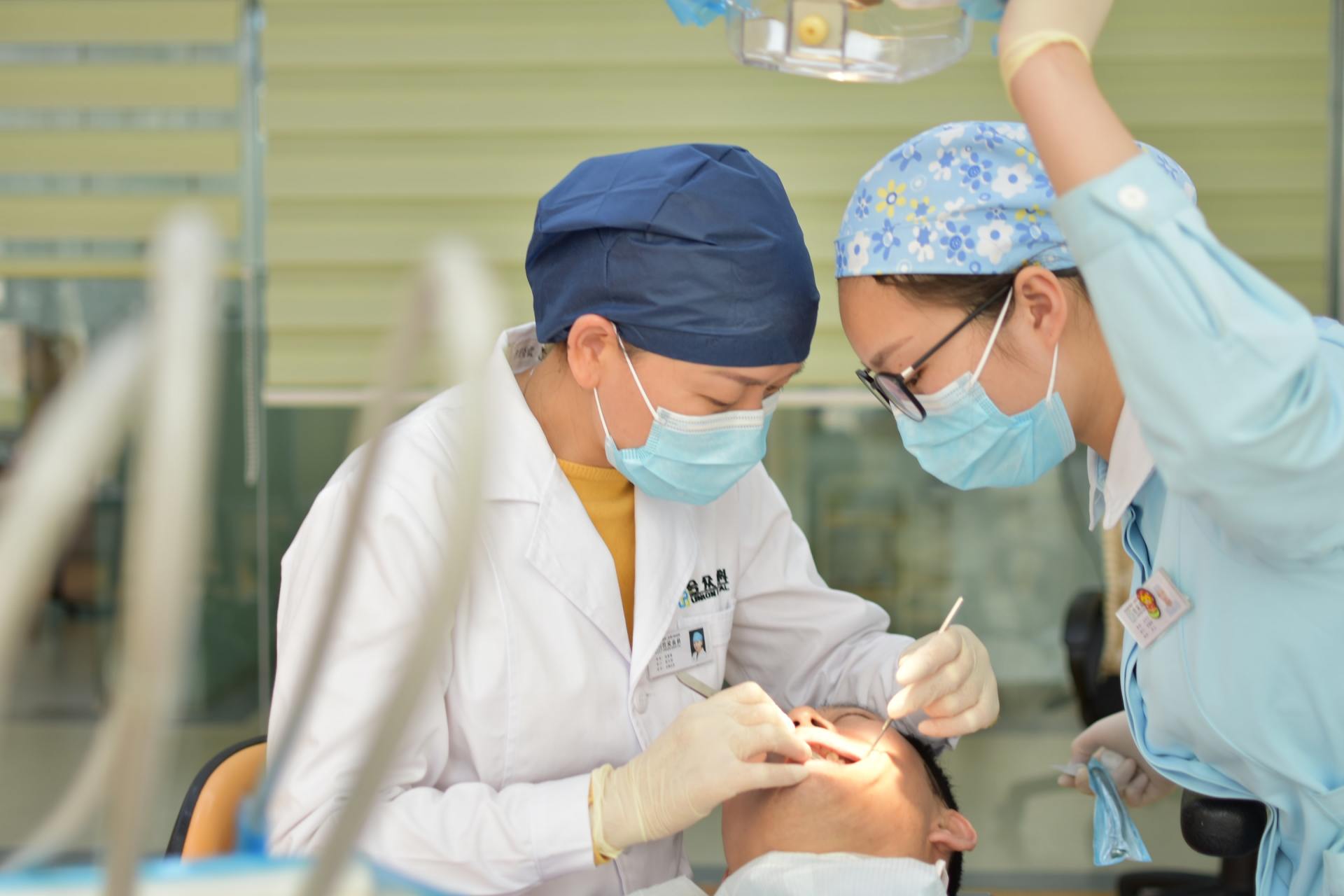
A dentist is examining a patient 's teeth in a dental office.

Dental treatments can be a harrowing experience for some people. This may result from poor past experiences and because people expect it to hurt. Sometimes, the anxiety surrounding dental treatments can get so bad that it keeps people away from getting the dental treatment they need and deserve. This eventually contributes to poor oral health and compromises overall health. 

Thankfully, we live in a time when medicine is at its pinnacle, and you have access to the best dental care in Vernon Hills, IL. Keeping in mind our motto of providing our patients with the best care in the most comfortable way possible, we introduce to you – Sedation Dentistry. 


What is sedation dentistry?

Sedation dentistry is a revolutionary approach to dental care that allows you to relax and even sleep throughout your dental procedures!

Sedation dentistry involves the use of sedative medications that can help patients with dental anxiety, fear of needles, sensitive teeth, or a low pain threshold feel more comfortable and at ease during their appointments. With several options available, including nitrous oxide, oral sedatives, IV sedation, and general anesthesia, patients can choose the level of sedation that best suits their needs and preferences.

Imagine drifting off into a peaceful slumber as your dentist in Vernon Hills, IL, performs the necessary procedures to keep your teeth healthy and beautiful. When you wake up, you'll be amazed at how much work has been done in such a short amount of time - and you'll feel refreshed and ready to face the day! 

Sedation dentistry allows you to get the dental care you need without having to go through the entire ordeal of sitting awake in a dental chair. 


Benefits of Sedation Dentistry

The thought of undergoing dental procedures can be overwhelming and can lead to avoidance of necessary dental care. Sedation dentistry at Vernon Hills, IL, has emerged as a solution to this problem, offering patients a way to relax and feel more comfortable during their dental appointments. Sedation dentistry provides a plethora of benefits, such as:


Reduced anxiety and fear: Sedation dentistry can help patients who suffer from dental anxiety or phobia. With sedation, patients can feel more relaxed and at ease, allowing them to receive the care they need without feeling overwhelmed or frightened.


Increased comfort during procedures: Some dental procedures can be uncomfortable or even painful, even with the use of local anesthesia. Sedation dentistry can help patients feel more comfortable and relaxed, making the procedure easier to tolerate. This can be especially helpful for patients who have sensitive teeth or a low pain threshold.


Assistance for patients with special needs: Patients with physical or mental disabilities and children may have difficulty sitting still or cooperating during a dental appointment. Sedation dentistry can help these patients relax and remain still during the procedure, making it easier for the dentist to provide the necessary care.


Fewer appointments required: Sedation dentistry can allow dentists to perform more work in a single appointment, reducing the number of visits required. This can be especially helpful for patients who have busy schedules or who live far away from their dentist. With fewer appointments required, patients can receive the care they need without disrupting their daily lives.


So, if you have been avoiding the dentist because of fear, we have got you covered. Schedule an appointment at Goduco Smiles, Vernon Hills, today to ensure you are at the top of your oral health. If you have any more questions or wish to schedule an appointment, please reach out to us. Our team of excellent and compassionate dental professionals is here to assist you. 


January 5, 2026
Tooth decay at the gum line is a common but often overlooked dental issue. Because it forms where the tooth meets the gums, it can be harder to spot and more challenging to treat if ignored. Understanding why it happens and how it’s treated can help protect your smile long-term.  What Is Gum Line Decay? Gum line decay occurs when plaque and bacteria accumulate near the base of the tooth. Over time, acids produced by bacteria erode the enamel and attack the softer dentin beneath. As gums recede with age or gum disease, this area becomes even more vulnerable. Why This Area Is So Vulnerable Thinner enamel near the gumline Gum recession , exposing root surfaces Difficulty cleaning this area effectively Dry mouth , reducing protective saliva Aggressive brushing , which can wear enamel down Early Signs of Gum Line Decay Catching decay early makes treatment simpler and less invasive. Warning signs include: Sensitivity to hot, cold, or sweet foods Visible discoloration near the gums Rough spots or grooves at the tooth base Mild pain when brushing If left untreated, decay can spread beneath the gums, leading to infection or tooth loss. Treatment Options The treatment depends on the severity of the decay: Fluoride treatments may be used in early stages to remineralize weakened enamel. Dental fillings are the most common solution for moderate decay, restoring strength and preventing further damage. Root canal therapy may be necessary if decay reaches the tooth’s pulp. Crowns may be recommended for extensive damage. In advanced cases, gum therapy or surgical treatment may be needed. Preventing Gum Line Decay Prevention is always better than treatment. Key steps include: Brushing gently with a soft-bristled toothbrush Using fluoride toothpaste Flossing daily to remove plaque near the gums Using a toothpaste designed for sensitive or exposed roots Managing dry mouth Scheduling regular dental cleanings Don’t Ignore Subtle Symptoms Gum line decay often progresses quietly. Regular dental exams allow your dentist to detect early changes before they become painful or costly. Protecting the base of your teeth is essential to maintaining a healthy, strong smile for life.
December 29, 2025
Bad breath, also known as halitosis, is incredibly common—and often embarrassing. While an occasional case of bad breath after eating garlic or drinking coffee is normal, persistent bad breath can signal underlying oral health issues. The good news? In most cases, bad breath is treatable and preventable with the right habits and professional care. Common Causes of Bad Breath The most frequent cause of bad breath is bacteria. Our mouths are home to millions of bacteria that break down food particles, releasing foul-smelling sulfur compounds. When oral hygiene is lacking, these bacteria flourish. Other common contributors include: Poor brushing and flossing habits Dry mouth (xerostomia) , often caused by medications or mouth breathing Gum disease , which allows bacteria to hide below the gumline Tongue buildup , especially on the back of the tongue Tooth decay or dental infections Diet , including strong-smelling foods and sugary snacks Smoking or tobacco use Medical conditions , such as acid reflux, sinus infections, or diabetes Daily Habits That Help Eliminate Bad Breath The foundation of fresh breath starts with excellent oral hygiene: Brush twice daily for at least two minutes, paying close attention to the gumline. Floss every day to remove food particles and plaque between teeth. Clean your tongue using a tongue scraper or your toothbrush—this step alone can significantly reduce odor. Stay hydrated. Drinking water throughout the day helps wash away bacteria and prevents dry mouth. Use an alcohol-free mouthwash. Alcohol can dry out the mouth, worsening bad breath over time. Diet and Lifestyle Tips What you eat matters. Crunchy fruits and vegetables like apples and carrots help stimulate saliva and naturally clean teeth. Limiting sugary foods reduces the fuel bacteria need to thrive. If you smoke or use tobacco, quitting can dramatically improve breath and overall oral health. Smoking dries out the mouth and contributes to gum disease, one of the leading causes of chronic bad breath. When Bad Breath Signals a Bigger Problem Persistent bad breath that doesn’t improve with good oral hygiene may be a sign of: Gum disease Cavities Dental abscesses Poorly fitting dental restorations A professional dental exam can identify and treat these issues before they worsen. Professional Solutions Regular dental cleanings remove hardened plaque (tartar) that brushing can’t eliminate. Your dentist may also recommend treatments for gum disease, fluoride therapies, or guidance for managing dry mouth.  Fresh Breath Starts With Healthy Teeth Bad breath isn’t just a social issue—it’s often a health issue. By maintaining strong daily habits and keeping up with routine dental visits, you can enjoy long-lasting fresh breath and confidence in your smile.
November 7, 2025
When it comes to oral health, teeth often get all the attention—but your gums are just as important. Healthy gums are the foundation of a strong, beautiful smile. They protect your teeth, support your jawbone, and even influence your overall health. Understanding how to care for your gums can help you prevent problems before they start.  Why Gum Health Matters Your gums are made of soft tissue that holds your teeth securely in place and acts as a barrier against bacteria. When plaque—a sticky film of bacteria—builds up along the gumline, it can cause inflammation known as gingivitis. Left untreated, gingivitis can progress to periodontitis, a more serious form of gum disease that can lead to tooth loss and bone damage. But the effects of gum disease don’t stop at your mouth. Research has linked periodontal disease to other health conditions such as diabetes, heart disease, and stroke. Keeping your gums healthy supports not just your smile but your whole body. Signs of Unhealthy Gums Healthy gums are firm, pink, and don’t bleed easily. If you notice bleeding when brushing or flossing, persistent bad breath, swollen or receding gums, or loose teeth, it’s time to schedule an appointment with your dentist. These may be early signs of gum disease—and early intervention can make all the difference. Tips for Maintaining Healthy Gums Brush twice daily: Use a soft-bristled toothbrush and fluoride toothpaste. Be gentle—aggressive brushing can irritate gum tissue. Floss every day: Flossing removes plaque and food particles between teeth where your toothbrush can’t reach. Rinse with mouthwash: Antibacterial mouthwash can reduce plaque and prevent gum inflammation. Eat a balanced diet: Nutrient-rich foods, especially those high in vitamin C and calcium, strengthen gum tissue. Avoid tobacco: Smoking and chewing tobacco significantly increase the risk of gum disease. See your dentist regularly: Professional cleanings and checkups are key to catching issues early and keeping your gums in top shape. The Bottom Line Your gums are the unsung heroes of your smile. By practicing good oral hygiene and visiting your dentist regularly, you can prevent gum disease, preserve your teeth, and protect your overall health. Healthy gums don’t just support your smile—they help it shine.
October 28, 2025
For many people, coffee is a daily ritual—an energy boost, a comfort, and a beloved morning companion. But while that cup of joe may perk you up, it can also have some unintended effects on your teeth and gums. Here’s what you need to know about how coffee impacts your oral health—and how to enjoy it responsibly.  Coffee and Tooth Staining One of the most noticeable side effects of coffee is staining. Coffee contains tannins—natural compounds that cause color pigments to stick to tooth enamel. Over time, these pigments can lead to yellow or brown discoloration, dulling your smile. Fortunately, this type of staining is cosmetic and can often be removed through professional dental cleanings or whitening treatments. You can also minimize stains by rinsing your mouth with water after drinking coffee or sipping through a straw to reduce direct contact with your teeth. Acidity and Enamel Erosion Coffee is naturally acidic, and frequent exposure to acid can weaken tooth enamel—the hard outer layer that protects your teeth from decay. When enamel wears away, teeth become more sensitive and vulnerable to cavities. To combat this, avoid sipping coffee slowly over long periods. Instead, drink it in one sitting, then rinse with water. Waiting at least 30 minutes before brushing can also help, as brushing immediately after drinking something acidic can further erode softened enamel. Coffee and Bad Breath Coffee can contribute to dry mouth, which creates an environment where odor-causing bacteria thrive. Combine that with milk or sugar—common coffee add-ins—and you have the perfect setup for bad breath. To keep your breath fresh, drink plenty of water, chew sugar-free gum, and brush your teeth or tongue after your coffee break whenever possible. Finding a Healthy Balance You don’t need to give up coffee to protect your oral health. The key is moderation and good hygiene. Try limiting sugary or creamy coffee drinks, stay hydrated, and schedule regular dental cleanings to keep your enamel strong and your smile bright. The Bottom Line Coffee may have a few drawbacks for your teeth, but with mindful habits and routine dental care, you can enjoy your favorite brew without sacrificing your smile. After all, a little awareness—and a great dentist—go a long way toward keeping your teeth as bright as your morning cup.
Dental office, focus on bright overhead light and dental tools in a white room.
By nat rosasco September 15, 2025
A bright, white smile can instantly boost your confidence and make a lasting first impression. Over time, however, our teeth naturally lose their luster due to age, diet, and lifestyle habits. If you’ve noticed your smile isn’t as radiant as it once was, you may be considering teeth whitening. Here’s everything you need to know before brightening your smile.  Why Teeth Become Discolored Tooth discoloration happens for a variety of reasons. The most common cause is surface staining from foods and drinks like coffee, tea, red wine, and dark-colored berries. Tobacco use is another major culprit, as nicotine and tar can leave stubborn yellow or brown stains. Other types of discoloration occur beneath the surface. As we age, the enamel on our teeth thins, revealing more of the naturally yellow dentin underneath. Certain medications, trauma, or excessive fluoride exposure can also cause deeper stains that are harder to remove with over-the-counter products. Professional Whitening vs. At-Home Options There are two main ways to whiten your teeth: professional whitening performed by a dentist and over-the-counter (OTC) products. Professional whitening is the safest and most effective method. In-office treatments use stronger whitening agents that deliver dramatic results—often several shades whiter—in just one visit. Your dentist carefully protects your gums and soft tissues while applying a professional-grade whitening gel, sometimes activated by a special light. The result is fast, noticeable, and longer-lasting whitening with minimal sensitivity. At-home options include whitening toothpastes, strips, trays, and gels available at most pharmacies. While these products can help remove some surface stains, they typically take longer to show results and may not whiten as evenly as professional treatments. Custom whitening trays made by your dentist offer a middle ground—providing professional results at home with personalized fit and safety. Is Teeth Whitening Safe? Yes—when performed correctly, teeth whitening is safe and effective. The most common side effect is temporary tooth sensitivity or mild gum irritation, which usually subsides within a few days. To minimize discomfort, your dentist can recommend desensitizing toothpaste or adjust your treatment strength. It’s important to remember that whitening only works on natural tooth enamel. Dental restorations like crowns, veneers, and fillings won’t respond to whitening agents. If you’re considering cosmetic work, talk to your dentist about the best sequence for whitening and restoration to ensure a seamless color match. How to Maintain Your Bright Smile After whitening, you’ll want to keep your teeth looking their best. Avoid staining foods and drinks for at least 48 hours after treatment, as enamel can be more porous during this time. Incorporate good oral hygiene habits—brushing twice a day, flossing daily, and scheduling regular dental cleanings. Using a straw for dark beverages and rinsing your mouth with water after meals can also help prevent new stains. The Bottom Line Teeth whitening is a safe, effective, and confidence-boosting way to rejuvenate your smile. Whether you choose a professional in-office treatment or an at-home option, your dentist can guide you toward the best method for your needs. With proper care and maintenance, your brighter, whiter smile can last for years to come.
Family cheers with champagne at a wooden table in a kitchen.
By nat rosasco September 3, 2025
The holiday season is full of joy, celebrations—and sweets. While indulging in seasonal treats is part of the fun, it’s important to keep oral health in mind. Here are some tips for keeping smiles bright through the festivities. Choose Treats Wisely Sticky candies and caramels cling to teeth, increasing cavity risk. Opt for chocolate, which washes away more easily. Stay Hydrated Drinking water helps rinse away sugars and keeps saliva flowing, your body’s natural defense against decay. Don’t Skip Brushing Busy holiday schedules can throw routines off track, but brushing twice daily and flossing once remain essential. Balance Indulgence with Healthy Foods Pair sweets with cheese, nuts, or crunchy veggies to neutralize acids and protect enamel. Schedule Post-Holiday Cleanings A professional cleaning in January is the perfect way to reset after the holiday season and start the year fresh. Holidays are about family, laughter, and creating memories. With a little mindfulness, you can enjoy every moment without sacrificing your oral health.
Apricots on white surface with leaves and flowers and wooden board, in a white bowl.
By nat rosasco September 2, 2025
Most people think of dentistry as separate from general health, but the two are closely connected. In fact, your mouth can reveal important clues about what’s happening in the rest of your body. Take gum disease, for example. It begins as gingivitis—red, swollen gums caused by plaque buildup. If untreated, it can progress to periodontitis, a more severe form that damages bone and tissue. Research has linked periodontitis to systemic conditions like heart disease, diabetes, and even Alzheimer’s. The connection comes down to inflammation. When the gums are infected, bacteria can enter the bloodstream and trigger inflammation elsewhere in the body. This low-grade but chronic inflammation is a known contributor to many serious health conditions. Oral health is also linked to pregnancy outcomes. Expectant mothers with untreated gum disease face higher risks of premature birth and low birth weight. Regular dental checkups during pregnancy protect both mom and baby. Even sleep disorders like sleep apnea can be detected in the dental chair. Dentists trained in airway assessment may notice enlarged tissues or teeth grinding, both linked to poor sleep quality.  The takeaway? Oral health is whole-body health. Regular family dental visits do more than preserve smiles—they safeguard overall well-being.
Family of three playing in a park. Parents hold hands with their daughter as she jumps. Sunny day.
By nat rosasco September 2, 2025
When it comes to family dentistry, prevention is always better than treatment. Routine dental check-ups and cleanings are the backbone of good oral health, helping families avoid cavities, gum disease, and costly procedures down the road. But what exactly makes preventive care so powerful? First, professional cleanings go beyond what brushing and flossing at home can achieve. Even the most diligent brushers miss plaque in hard-to-reach areas. Over time, this plaque hardens into tartar, which only a dental hygienist can safely remove. Regular cleanings not only keep smiles bright but also protect the gums from inflammation and infection. Second, preventive care allows dentists to catch small problems before they become major ones. A cavity spotted early can often be treated with a simple filling. Left untreated, that same cavity may progress to the nerve of the tooth, requiring a root canal or extraction. Preventive dentistry also supports whole-body health. Research continues to show links between oral health and systemic conditions like diabetes, heart disease, and premature birth. Keeping teeth and gums healthy can reduce risks for these serious issues, benefiting the entire family.  For children, early visits build trust and comfort in the dental office. By starting young, kids grow up viewing dental care as a normal and positive part of their routine. For parents, preventive care means less time off work, fewer dental emergencies, and healthier smiles all around. Ultimately, preventive dental visits are about peace of mind. Families who keep up with regular checkups know they’re taking active steps to protect not just their smiles but their overall health.
Smiling child with hands on chin, in front of a cake, near plants and a window.
By nat rosasco August 31, 2025
Convincing kids to brush and floss can sometimes feel like a never-ending battle. But oral hygiene doesn’t have to be a chore—it can actually be fun! Here are five creative ways families can encourage kids to build lifelong healthy habits. Turn Brushing into a Game Set a timer for two minutes and challenge kids to brush until it rings. Brushing apps with music or animations also keep little ones entertained while they clean. Reward Good Habits Create a brushing chart and give stickers for each completed morning and evening session. After a week of consistency, celebrate with a fun activity. Let Kids Choose Their Tools Allowing children to pick their own toothbrush (with their favorite character) and flavored toothpaste gives them a sense of ownership over the process. Brush Together as a Family Kids love to imitate adults. Brushing together not only sets a great example but also turns oral care into quality bonding time. Use Stories and Songs Make up a silly song or story about fighting off “sugar bugs.” Turning brushing into an imaginative adventure keeps kids engaged.  These small strategies can make a big difference. Teaching children the importance of oral hygiene in a positive, playful way sets them up for a lifetime of healthy smiles.
Dental chair in a bright white room with examination light and dental tools.
By nat rosasco June 2, 2025
Dental anxiety is more common than you might think. Both children and adults can feel nervous about a visit to the dentist. Thankfully, family dentists use a variety of strategies to help patients feel calm and cared for. For kids, the first step is creating positive experiences early. A gentle, friendly approach combined with a fun environment—like colorful walls or small rewards—helps children build trust. Parents can support this by speaking positively about the dentist and avoiding scary words like “hurt” or “shot.” For adults, open communication is key. Many people feel more comfortable when they understand what’s happening during their appointment. Dentists often explain procedures step by step, offering breaks when needed. Modern dentistry also provides comfort options such as nitrous oxide (laughing gas) or oral sedation. These tools help ease anxiety during longer or more complex treatments.  Simple relaxation techniques can help, too. Deep breathing, listening to music, or even holding a stress ball can make the experience more pleasant. The most important factor? Choosing a dental team that listens and understands. At a family practice, care is personalized, and building long-term relationships helps reduce anxiety over time.