Can Dental Bonding Fix Gaps? Complete Treatment Guide
If you've ever felt a bit self-conscious about a small gap between your teeth, you aren't alone. Many people look for ways to achieve a more uniform smile without the commitment of long-term orthodontics. The great news is that dental bonding for gaps is one of the most popular, friendly, and affordable ways to transform your look in just a single visit. In this guide, Goduco Family Dentistry explores how this versatile treatment works and if it's the right fit for your smile goals.
What Is Dental Bonding?
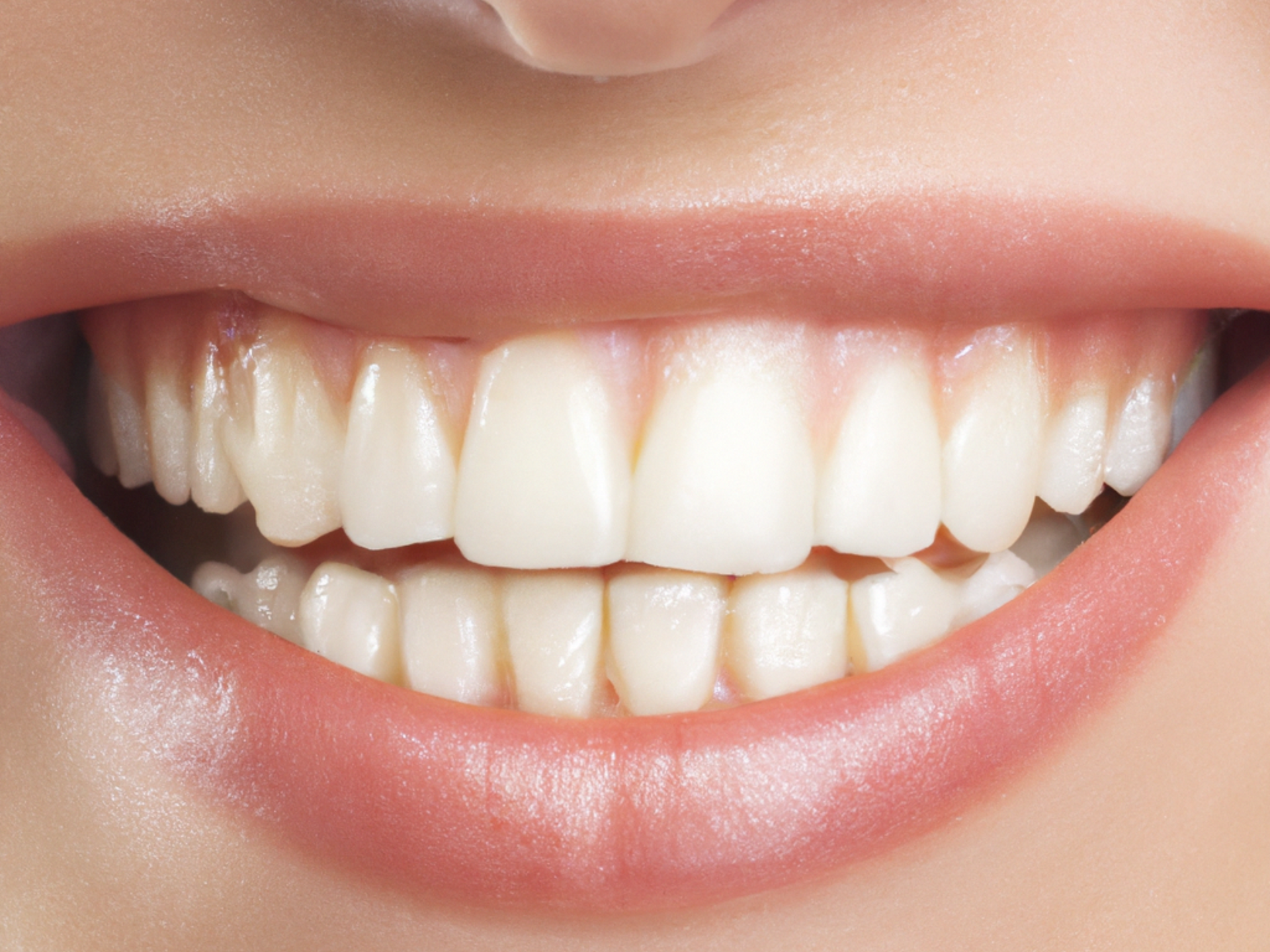
Dental bonding is a cosmetic procedure where a durable, tooth-colored composite resin is applied to the surface of your teeth. Think of it as a specialized sculpting material that your dentist carefully shapes to correct imperfections. This resin is matched to the exact shade of your natural enamel, ensuring that once it's polished and set, the work is virtually indistinguishable from your natural teeth. It's a gentle way to address chips, cracks, discoloration, or, most commonly, unwanted spacing.
Can Dental Bonding Fix Gaps?
Absolutely! Bonding is an excellent option for closing diastemas. By strategically adding the composite resin to the sides of the teeth flanking a gap, your dentist can "close" the space, making the teeth appear wider and perfectly aligned. While significant structural alignment issues might require braces or clear aligners, bonding is the "go-to" for cosmetic gaps, providing an immediate boost in confidence without invasive surgery.
Who Is a Good Candidate for Gap Closure with Bonding?
Most people with healthy teeth and gums are great candidates for cosmetic bonding. It is particularly effective for:
- Small to moderate gaps between the front teeth.
- Individuals looking for a quick, non-invasive alternative to veneers.
- Patients with healthy enamel who want to avoid the tooth reduction required for crowns.
- Those who want a "trial run" of a new smile before committing to permanent porcelain work.
Step-by-Step Procedure of Dental Bonding for Gaps
One of the best things about tooth gap treatment via bonding is how straightforward the process is. Here is what you can expect during your visit:
- Preparation – In most cases, no anesthesia is needed! Your dentist will use a shade guide to select a composite resin that perfectly matches your natural tooth color.
- Roughening – To help the material adhere, the tooth surface is lightly textured with a gentle conditioning liquid.
- Application – The putty-like resin is applied to the tooth and meticulously molded and smoothed into the desired shape to close the gap.
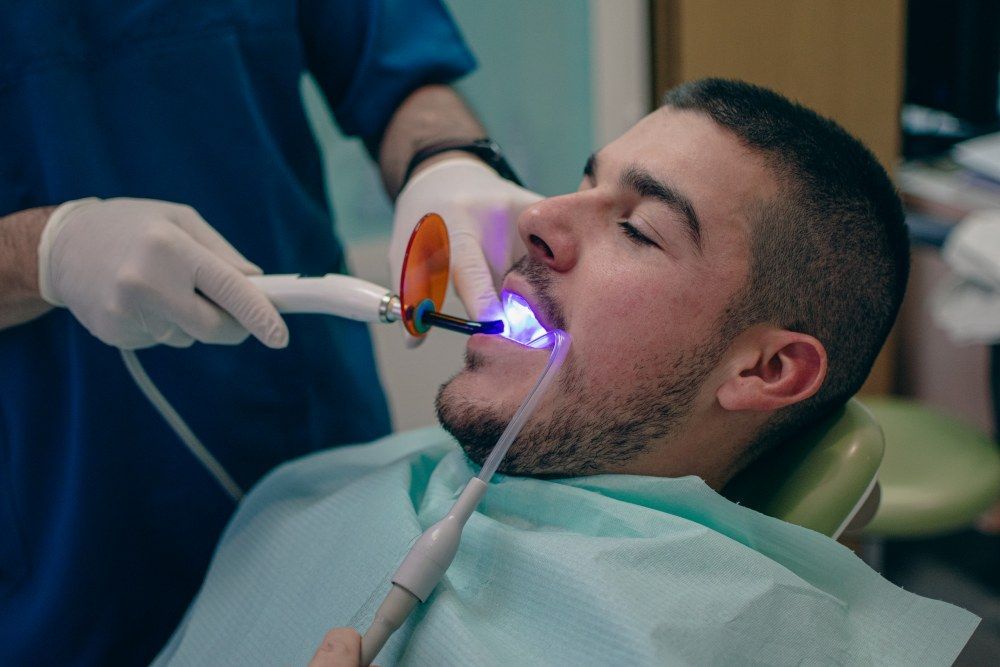
- Curing – A specialized blue "curing light" is used to harden the material instantly.
- Polishing – Once hardened, your dentist will further trim and shape the resin, polishing it until it has the same natural sheen as the rest of your smile.
Advantages of Dental Bonding for Gaps
Choosing bonding for gaps offers several fantastic benefits for patients. These include:
- Speed – The entire process usually takes 30 to 60 minutes per tooth.
- Cost-Effective – It is one of the least expensive cosmetic dental procedures available.
- Conservative – Unlike veneers or crowns, very little (if any) natural tooth enamel is removed.
- Painless – Most patients experience zero discomfort during or after the procedure.
Before & After Expectations
When you leave the office, you'll notice an immediate difference. The front teeth bonding will look and feel like your natural teeth. In the before stage, you might see a prominent space that draws the eye. After, you'll see a continuous, harmonious row of teeth. It's important to remember that while the resin is strong, it isn't quite as hard as natural enamel, so you'll want to be mindful when biting into very hard foods.
How Long Does Dental Bonding Last?
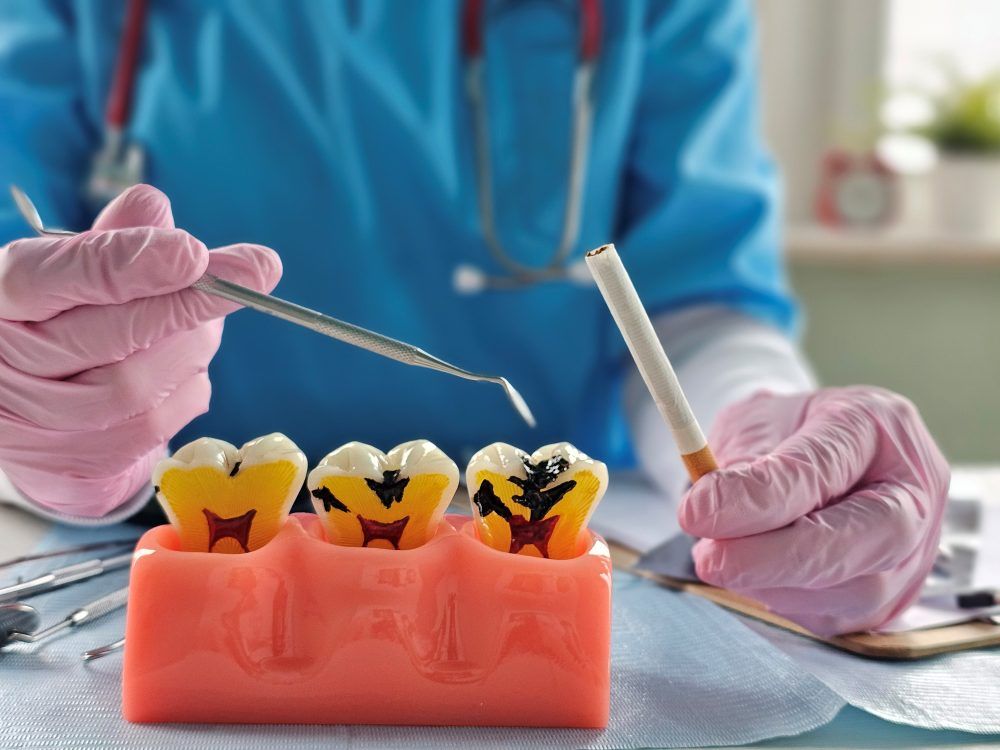
With proper care, dental bonding typically lasts between 3 to 10 years. Because the resin is porous, it can stain over time, just like natural teeth, from coffee, tea, or tobacco. To get the longest life out of your bonding, maintain a great oral hygiene routine and visit your dentist regularly for professional cleanings and check-ups.
Frequently Asked Questions (FAQs)
Does Dental Bonding Hurt?
Not at all! Since the procedure involves working on the surface of the enamel, it is typically painless and doesn't require numbing.
Can the Bonding Be Removed if I Change My Mind?
Yes. Since the natural tooth is usually left intact underneath, bonding is a reversible procedure if you decide to upgrade to porcelain veneers later.
Will the Bonding Material Match My Other Teeth?
Yes, dentists use a sophisticated palette of resin shades to ensure the color perfectly blends with your surrounding teeth.
How Do I Care for My Bonded Teeth?
Treat them like natural teeth. Brush twice a day, floss daily, and avoid biting your fingernails or using your teeth as tools to open packages.
Is Bonding Covered by Insurance?
Because bonding for gaps is often considered a cosmetic procedure, coverage varies. It's always a good idea to check with your provider beforehand.
Ready for a Seamless Smile?
Goduco Family Dentistry offers premier cosmetic and restorative dentistry services. Closing a gap in your smile doesn't have to be a long or expensive journey. Dental bonding offers a warm, welcoming solution for anyone looking to refine their appearance quickly and effectively.
Reach out to us today to schedule a consultation!