How to get rid of bad breath (and keep it gone!)

Bad breath, also known as halitosis, is incredibly common—and often embarrassing. While an occasional case of bad breath after eating garlic or drinking coffee is normal, persistent bad breath can signal underlying oral health issues. The good news? In most cases, bad breath is treatable and preventable with the right habits and professional care.
Common Causes of Bad Breath
The most frequent cause of bad breath is bacteria. Our mouths are home to millions of bacteria that break down food particles, releasing foul-smelling sulfur compounds. When oral hygiene is lacking, these bacteria flourish.
Other common contributors include:
- Poor brushing and flossing habits
- Dry mouth (xerostomia), often caused by medications or mouth breathing
- Gum disease, which allows bacteria to hide below the gumline
- Tongue buildup, especially on the back of the tongue
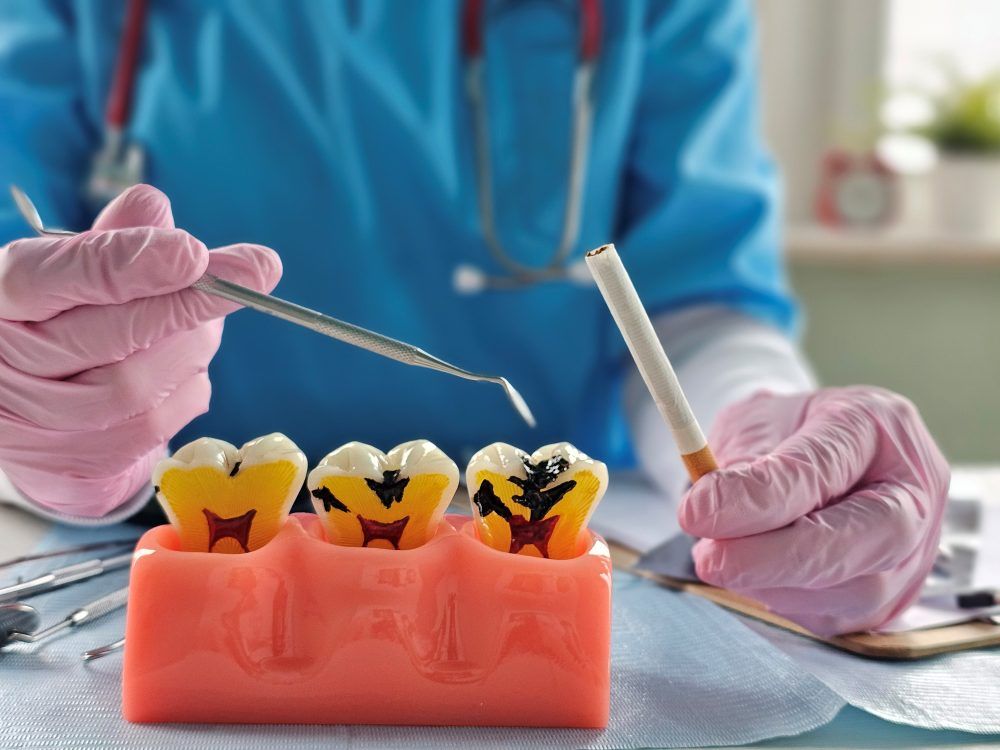
- Tooth decay or dental infections
- Diet, including strong-smelling foods and sugary snacks
- Smoking or tobacco use
- Medical conditions, such as acid reflux, sinus infections, or diabetes
Daily Habits That Help Eliminate Bad Breath
The foundation of fresh breath starts with excellent oral hygiene:
- Brush twice daily for at least two minutes, paying close attention to the gumline.
- Floss every day to remove food particles and plaque between teeth.
- Clean your tongue using a tongue scraper or your toothbrush—this step alone can significantly reduce odor.
- Stay hydrated. Drinking water throughout the day helps wash away bacteria and prevents dry mouth.
- Use an alcohol-free mouthwash. Alcohol can dry out the mouth, worsening bad breath over time.
Diet and Lifestyle Tips
What you eat matters. Crunchy fruits and vegetables like apples and carrots help stimulate saliva and naturally clean teeth. Limiting sugary foods reduces the fuel bacteria need to thrive.
If you smoke or use tobacco, quitting can dramatically improve breath and overall oral health. Smoking dries out the mouth and contributes to gum disease, one of the leading causes of chronic bad breath.
When Bad Breath Signals a Bigger Problem
Persistent bad breath that doesn’t improve with good oral hygiene may be a sign of:
- Gum disease
- Cavities
- Dental abscesses
- Poorly fitting dental restorations
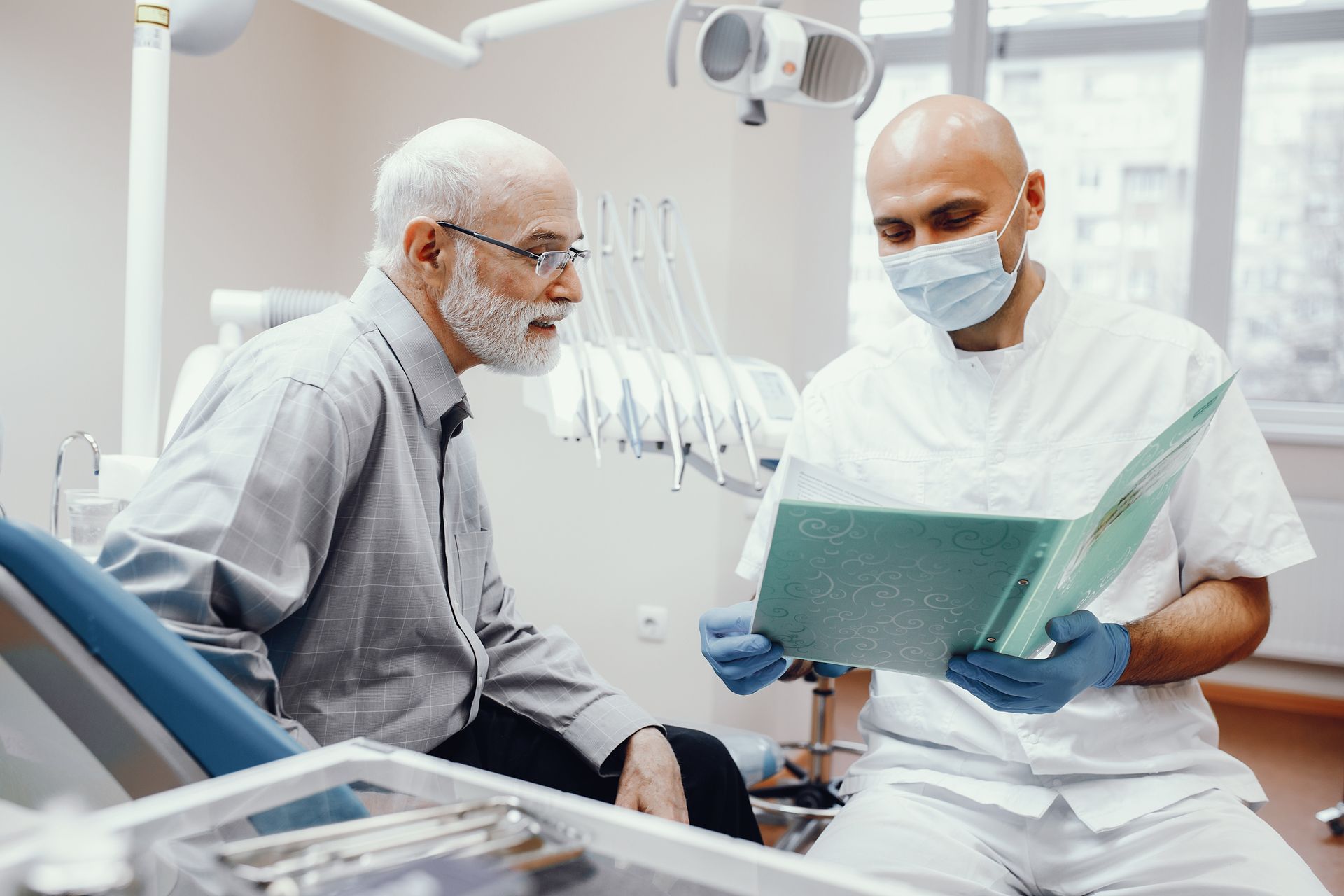
A professional dental exam can identify and treat these issues before they worsen.
Professional Solutions
Regular dental cleanings remove hardened plaque (tartar) that brushing can’t eliminate. Your dentist may also recommend treatments for gum disease, fluoride therapies, or guidance for managing dry mouth.
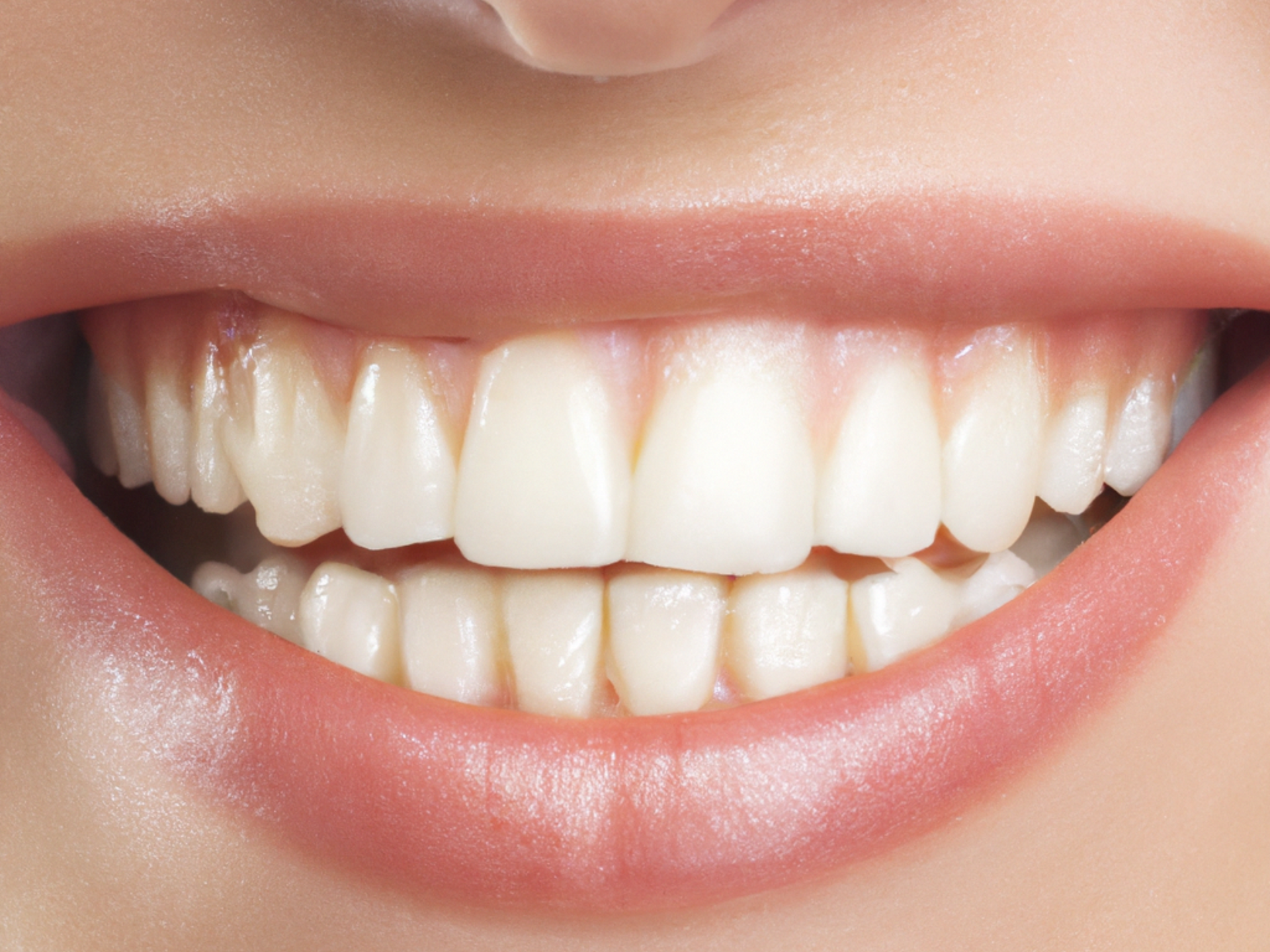
Fresh Breath Starts With Healthy Teeth
Bad breath isn’t just a social issue—it’s often a health issue. By maintaining strong daily habits and keeping up with routine dental visits, you can enjoy long-lasting fresh breath and confidence in your smile.