How to treat tooth decay at the gum line

Tooth decay at the gum line is a common but often overlooked dental issue. Because it forms where the tooth meets the gums, it can be harder to spot and more challenging to treat if ignored. Understanding why it happens and how it’s treated can help protect your smile long-term.
What Is Gum Line Decay?
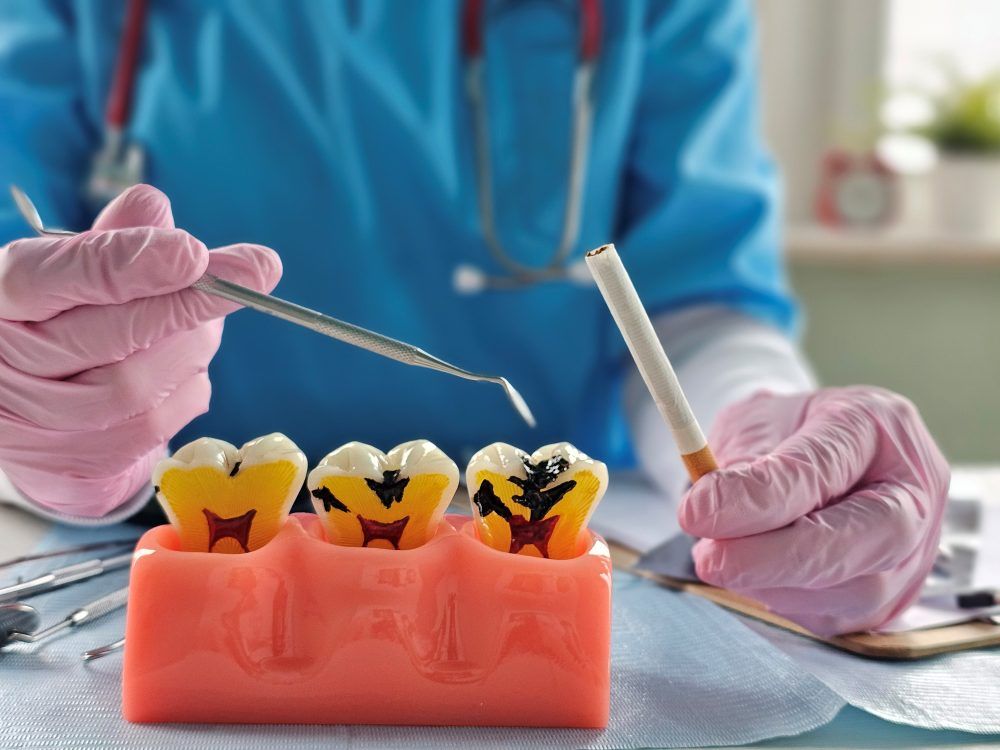
Gum line decay occurs when plaque and bacteria accumulate near the base of the tooth. Over time, acids produced by bacteria erode the enamel and attack the softer dentin beneath. As gums recede with age or gum disease, this area becomes even more vulnerable.
Why This Area Is So Vulnerable
- Thinner enamel near the gumline
- Gum recession, exposing root surfaces
- Difficulty cleaning this area effectively
- Dry mouth, reducing protective saliva
- Aggressive brushing, which can wear enamel down
Early Signs of Gum Line Decay
Catching decay early makes treatment simpler and less invasive. Warning signs include:
- Sensitivity to hot, cold, or sweet foods
- Visible discoloration near the gums
- Rough spots or grooves at the tooth base
- Mild pain when brushing
If left untreated, decay can spread beneath the gums, leading to infection or tooth loss.
Treatment Options
The treatment depends on the severity of the decay:
- Fluoride treatments may be used in early stages to remineralize weakened enamel.
- Dental fillings are the most common solution for moderate decay, restoring strength and preventing further damage.
- Root canal therapy may be necessary if decay reaches the tooth’s pulp.
- Crowns may be recommended for extensive damage.
- In advanced cases, gum therapy or surgical treatment may be needed.
Preventing Gum Line Decay
Prevention is always better than treatment. Key steps include:
- Brushing gently with a soft-bristled toothbrush
- Using fluoride toothpaste
- Flossing daily to remove plaque near the gums
- Using a toothpaste designed for sensitive or exposed roots
- Managing dry mouth
- Scheduling regular dental cleanings
Don’t Ignore Subtle Symptoms
Gum line decay often progresses quietly. Regular dental exams allow your dentist to detect early changes before they become painful or costly.
Protecting the base of your teeth is essential to maintaining a healthy, strong smile for life.