
Tooth Extraction:What to Expect
nat rosasco • December 10, 2021
People may have heard the term “tooth extraction,” but not too many people know why someone may need to have this procedure. Most extractions are necessary in order to prevent an infected tooth from causing more harm to surrounding areas in the mouth. When a tooth becomes infected, the decay can get all the way into the pulp of the tooth and the tooth will actually die because of the bacteria. When this occurs, it is important that you seek dental treatment right away.
For adults, sometimes a root canal will be performed, but if the root canal will not save the tooth, an extraction will be necessary. A tooth extraction can also be performed on children if they have a baby tooth that has become infected and a root canal is not a treatment option. For children, a tooth extraction will usually be the last resort as a treatment option, but there are instances in which it is absolutely necessary.
During an extraction, an instrument is used that is called an “elevator,” and it opens up the area surrounding the tooth so the tooth can be removed. This is generally done with local anesthesia, but sometimes children will also be given laughing gas first. After the tooth is removed, you will need to gently bite down on gauze for about half an hour to an hour. This allows for a blood clot to form that will aid in the healing process. You will receive instructions as to how often you will need to change the gauze.
In terms of recovery, there are just a few things you will need to be aware of. You should avoid drinking from a straw for a few days so you do not cause the blood clot to open. This could lead to a dry socket. If you are a smoker, you should avoid smoking for a few days after the procedure as well. You will not want to use mouthwash for 24 hours and should avoid spitting and rinsing out your mouth. Soft foods will be a good choice for the first few days also while your mouth is still healing.
Once the local anesthesia wears off, there may be some minor discomfort. You may be given a prescription or your dentist may tell you to take some over-the-counter medication. If you are still in pain even after taking medication, you should contact your dentist.
Also contact your dentist if you notice any signs of fever, infection, swelling, shortness of breath, chest pain, or experience nausea or vomiting. These could be caused by an infection at the extraction site and your dentist should be notified right away. The chances of developing an infection are small, but it is good to be aware of the symptoms.
With proper care and following your dentist’s instructions, you should be fully recovered and back to normal within a few days.

Restorative dentistry: How modern treatments can save damaged teeth

How cosmetic dentistry can transform more than your smile
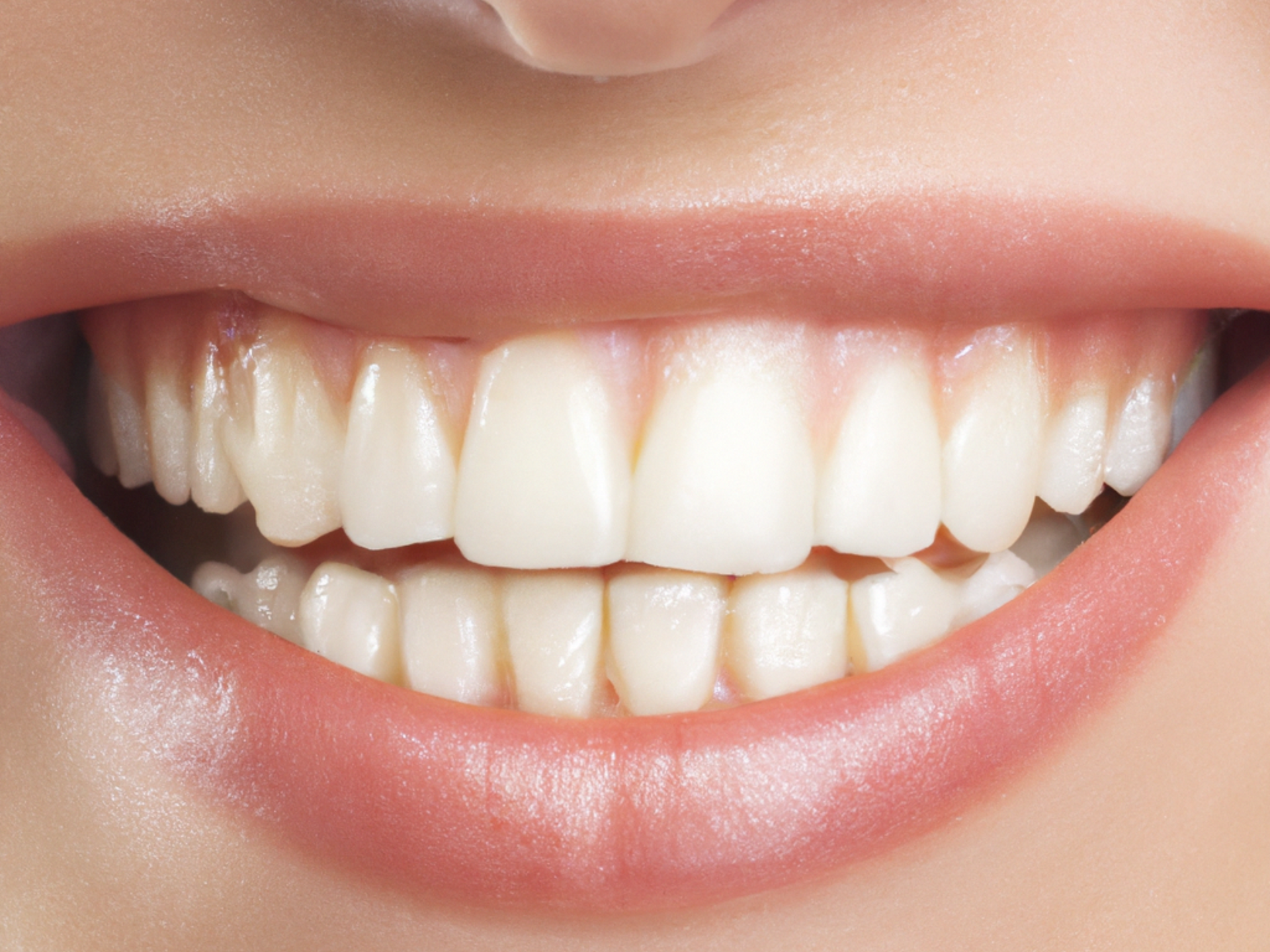
Bleeding gums aren't normal - here's what they tell you
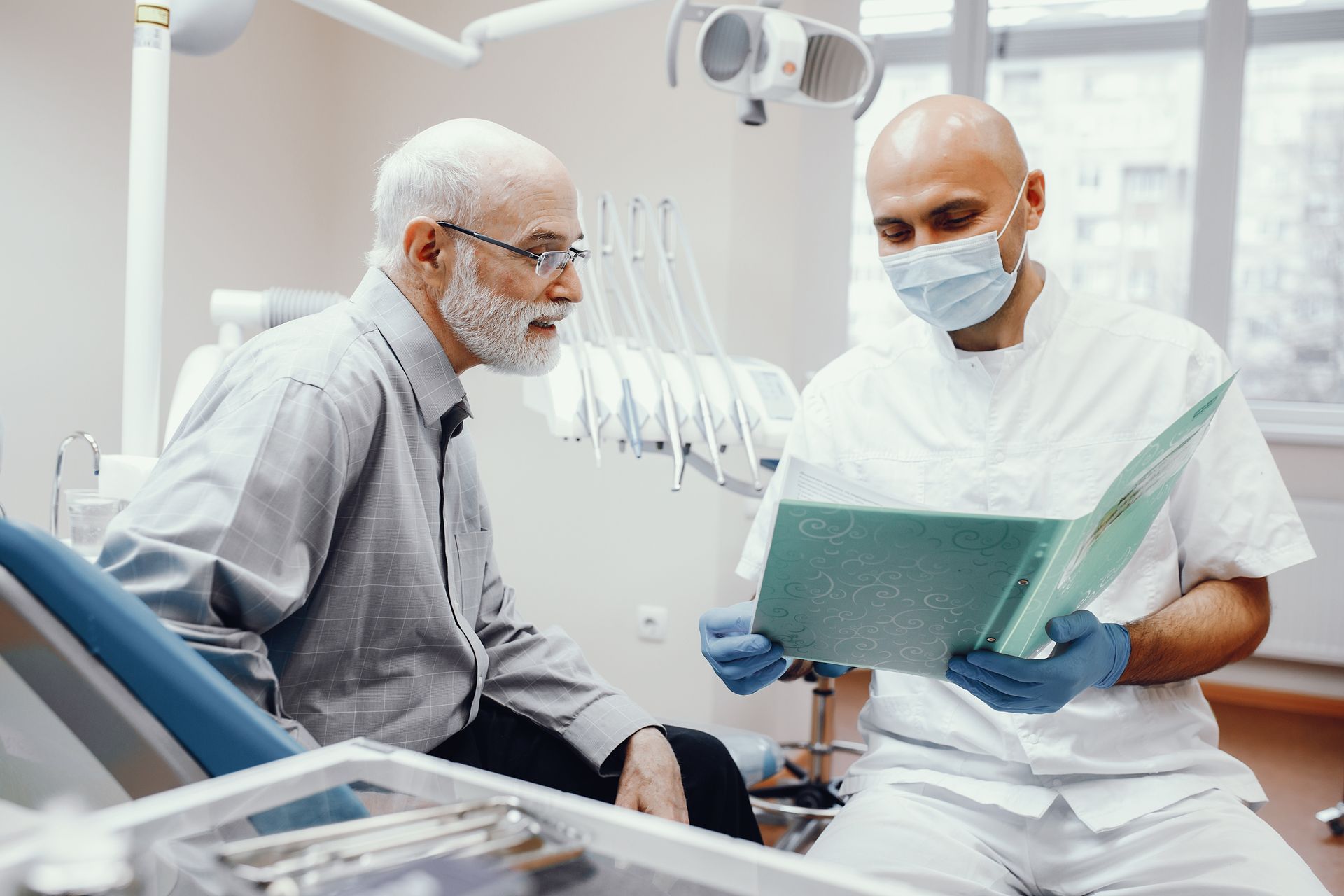
Haven’t Been to the Dentist in Years? You’re Not Alone. Life gets busy. Things get put off. And before you know it, it’s been years. We understand—and we’re here to help, not judge.

Stay ahead in 2026 with Goduco Family Dentistry. Learn about the latest cosmetic dentistry trends that can give you the modern smile you've always wanted.


Stay ahead in 2026 with Goduco Family Dentistry. Learn about the latest cosmetic dentistry trends that can give you the modern smile you've always wanted.

Explore teeth reshaping and contouring benefits, procedure steps, and results for achieving a smooth, balanced smile at Goduco Family Dentistry.
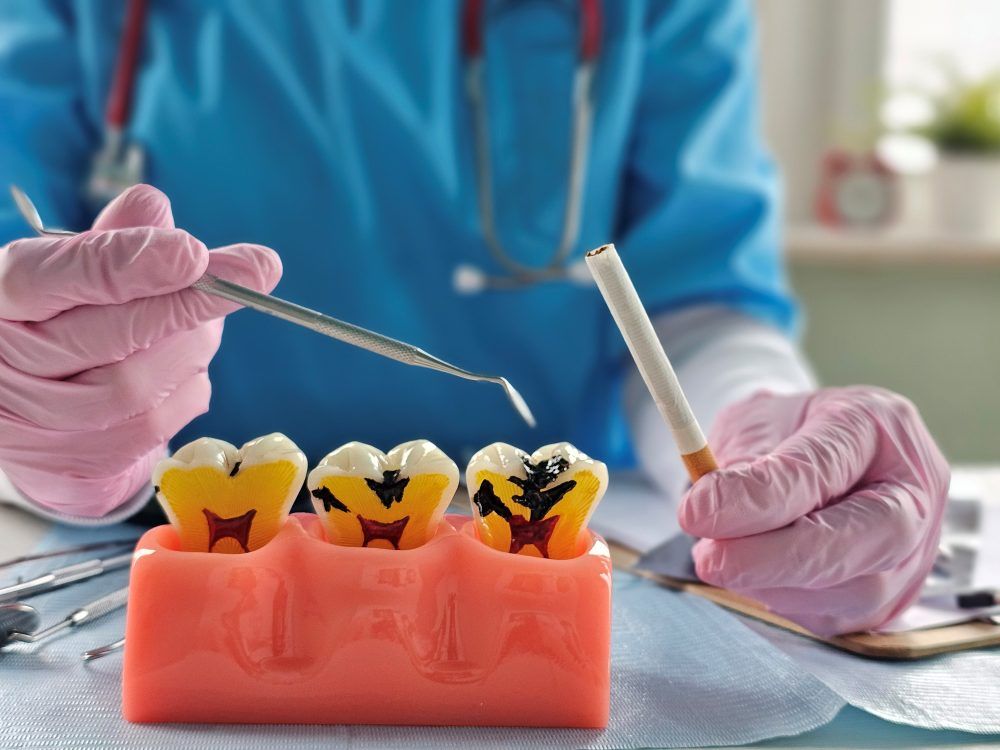
Learn how smoking affects dental implant success, healing risks, and precautions to improve outcomes from experts at Goduco Family Dentistry.

Discover how cosmetic dentistry enhances confidence and appearance with treatments like veneers, whitening, and bonding at Goduco Family Dentistry.